bmtreeconsultancy

Woodland Management

Practical Strategies for Sustainable, Resilient Woodlands

At Black Mountains Tree Consultancy, we provide tailored woodland management plans to help landowners, estates, and organisations care for existing woodland areas with a focus on biodiversity, safety, long-term resilience and access.

Whether you’re stewarding a native woodland, managing a habitat for conservation, or maintaining an amenity woodland for public use, we develop practical, phased strategies that balance ecological value with land use priorities.

All plans are created by an experienced, Lantra-qualified tree consultant, ensuring technical rigour and ecological sensitivity.

BM Tree Consultancy banner
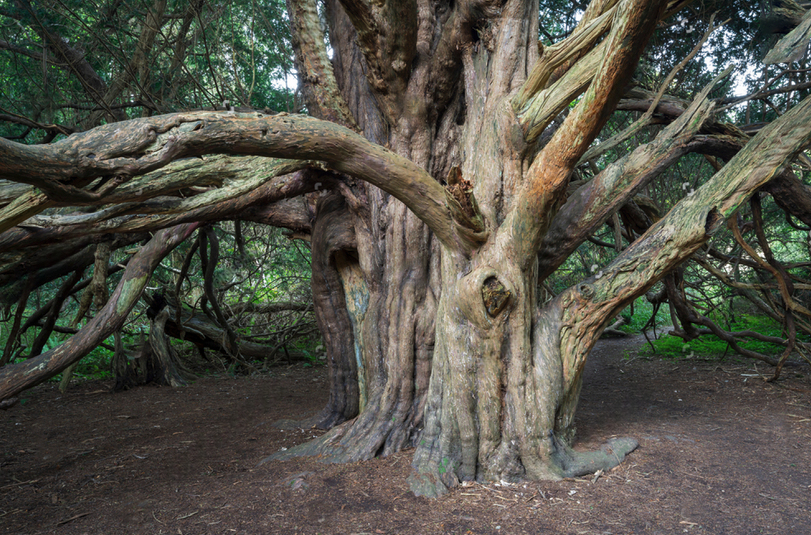
Woodland tree with complex branching in forest

Why Woodland Management Is Essential

Woodlands are complex, dynamic ecosystems. Without appropriate management, they may become overcrowded, lose biodiversity, suffer from disease, or become unsafe for visitors. Strategic woodland management enables you to:

Our plans are tailored to the character, goals and use of each woodland, with achievable actions based on ground-level realities.

What Our Woodland Management Plans Include

We produce standalone woodland plans or integrate them into broader land management strategies. Each plan typically includes:
We can also assist with felling licence applications or liaise with the Forestry Commission, if required.
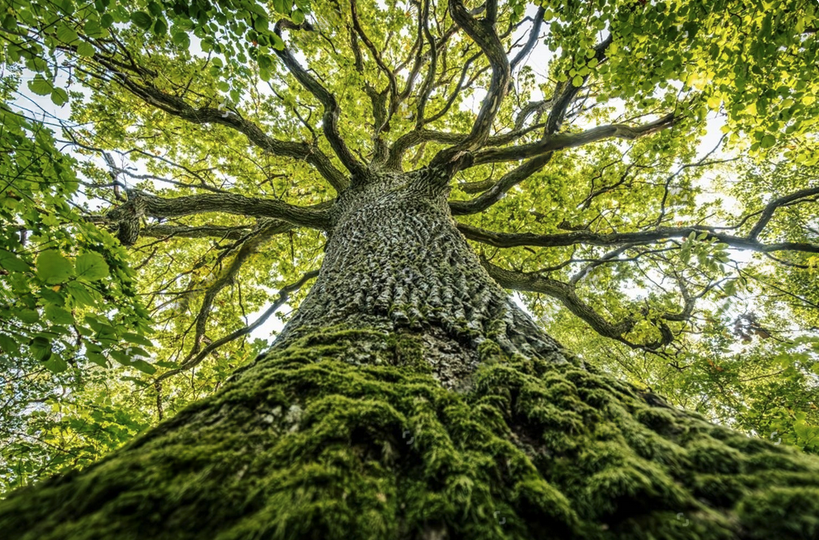
“Low-angle view up the trunk and branches of a large mature woodland tree with green leaves.

Who Should Consider a Woodland Plan?

Our services are suitable for:
Whether your goals are biodiversity, public benefit, or low-intervention rewilding, we’ll help guide your approach with expert, unbiased support.

Why Work With Us?

Book a Woodland Management Consultation

We operate throughout all of Wales, the Midlands, South West England, and beyond. We can carry out one-off woodland assessments, create multi-year plans, or review and update existing strategies.

Support the health, value and future of your woodland.

FAQ: Woodland Management

What is woodland management?
Woodland management is the planned care and long-term stewardship of woodland to improve its health, resilience and value. It involves understanding the condition of the trees, soils, wildlife habitats and surrounding landscape before developing practical management recommendations. Depending on the woodland, this may include thinning, replanting, habitat enhancement, invasive species control, tree safety inspections and natural regeneration. Effective management helps ensure woodlands continue to provide ecological, environmental and recreational benefits while remaining healthy for future generations.
Without regular management, woodlands can become overcrowded, suffer from declining tree health or become less valuable for wildlife. A well-managed woodland encourages stronger tree growth, improves biodiversity, reduces the spread of pests and diseases, and creates a more resilient woodland ecosystem. Management can also improve public safety, enhance landscape character and support sustainable timber production where appropriate. Every woodland is different, so management plans should always reflect the site’s objectives, condition and environmental significance.
Woodland management plans are valuable for private landowners, estates, farmers, charities, local authorities, schools and conservation organisations responsible for woodland. Whether you own a small copse or a large mixed woodland, a structured management plan provides clear guidance on maintenance priorities, conservation opportunities and future objectives. Plans can also support funding applications, environmental stewardship schemes and long-term decision-making by providing a documented strategy for managing the woodland responsibly.
The survey begins with a detailed inspection of the woodland to assess tree species, age structure, condition, regeneration, habitats and site characteristics. We also consider factors such as public access, woodland history, invasive species, soil conditions and evidence of pests or diseases. Using this information, we develop practical recommendations tailored to the woodland’s objectives, whether that’s improving biodiversity, enhancing public access, supporting timber production or conserving important habitats.
Yes. Sensitive woodland management plays a vital role in creating healthier habitats for plants, birds, mammals, insects and fungi. Carefully planned thinning, coppicing, deadwood retention, native tree planting and habitat creation can increase structural diversity and encourage a much wider range of wildlife. The aim is to achieve a balanced woodland ecosystem where trees and biodiversity thrive together, while also protecting the long-term health and resilience of the woodland itself.
Absolutely. We provide advice on woodland creation, species selection and planting strategies that reflect the site’s soils, landscape and long-term objectives. Selecting suitable native species and designing resilient planting schemes helps establish healthy woodlands that are better adapted to local conditions and future environmental change. We can also advise on protecting young trees during establishment and integrating new woodland with existing habitats.
Yes. During woodland surveys we assess trees for signs of disease, pest damage and invasive plant species that could affect the woodland’s health. Early identification allows appropriate management measures to be introduced before problems become more widespread. Where necessary, we provide recommendations for monitoring, control measures or further specialist investigation to help protect the woodland and neighbouring landscapes.
Where woodland is accessible to the public or located near roads, footpaths or neighbouring properties, regular inspections form an important part of responsible management. Trees naturally age and change over time, and identifying structural defects or declining trees early helps reduce potential risks while retaining as much of the woodland as possible. Risk management should always be proportionate, balancing public safety with the ecological value of standing deadwood and veteran trees wherever appropriate.
Yes. A professionally prepared woodland management plan can support applications for woodland grants and environmental funding schemes where applicable. It also provides a clear framework for future management, helping landowners prioritise work over a number of years rather than making reactive decisions. Long-term planning supports healthier woodlands, more efficient budgeting and better outcomes for both the environment and the people who manage it.
Black Mountains Tree Consultancy is based in Talgarth, near Brecon, and provides woodland management services throughout Powys, Monmouthshire, Herefordshire and the surrounding areas of Wales, the West Midlands and South West England. We work with private landowners, estates, farmers, conservation organisations and public sector clients, providing practical, evidence-based advice that supports healthy, resilient and sustainably managed woodlands.