
bmtreeconsultancy

Planning Support & Local Authority Compliance

Navigating Tree-Related Planning Requirements with Confidence

At Black Mountains Tree Consultancy, we offer specialist arboricultural support to help clients meet local authority requirements throughout the planning process. From the initial site appraisal to the production of key documentation, our expert input ensures your development is both compliant and tree-conscious.

Whether you’re a developer, homeowner, or land manager, our service supports you in gaining planning permission while protecting valuable trees and maintaining regulatory alignment.

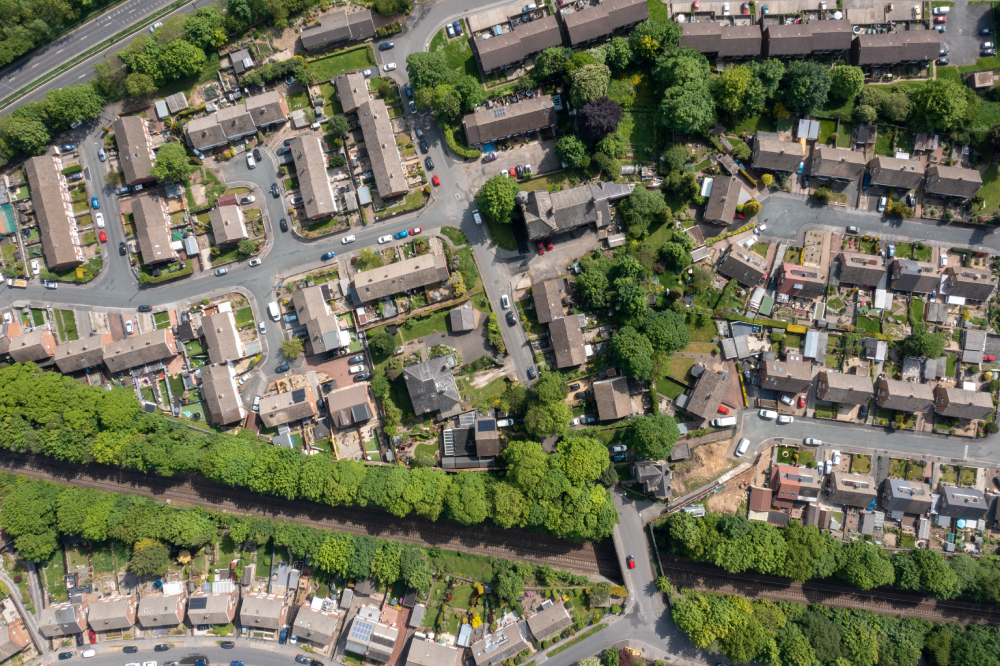
Top-down photograph of residential streets with trees and greenery

What We Offer

Our planning support service covers all arboricultural elements required by local authorities and planning officers. This includes:
  • Trimming PNG

    Tree Constraints Plan (TCP)

    A detailed drawing identifying tree locations, root protection areas, and canopy spreads to inform the site layout and design constraints at the early stages of development.

  • Arboricultural Impact Assessment (AIA)

    A written report assessing how proposed works may affect trees on or adjacent to the site. It evaluates the direct and indirect impacts of development and outlines any necessary tree removals or protection measures.

  • Property png

    Tree Protection Plan (TPP)

    A scaled plan showing how retained trees will be protected during construction, including fencing positions, working space, and access routes.

  • Property png

    Arboricultural Method Statement (AMS)

    Step-by-step guidance on how construction or demolition works will be carried out around trees to ensure compliance with BS5837:2012. This is often a condition of planning approval.
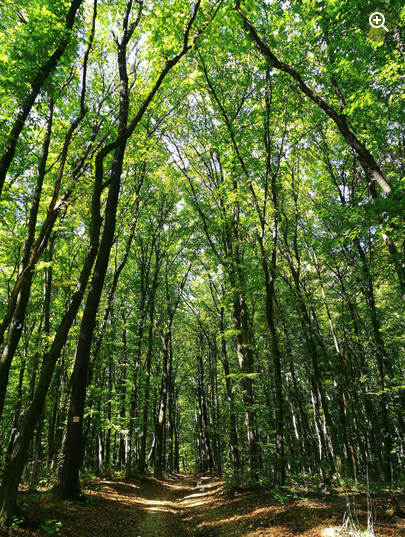
View looking up at tall woodland trees with green leaves forming a canopy overhead.

Additional Support Services

  • Blueprint

    Arboricultural Site Monitoring

    Where required by the Local Planning Authority, we can conduct scheduled site visits to ensure tree protection measures are implemented correctly and maintained throughout the development process. A monitoring schedule and written reports will be provided.

  • Tree PNG

    Tree Planting Plans

    If trees are to be removed as part of the development, we can prepare a replacement planting plan that meets planning obligations and enhances the green infrastructure of the site.
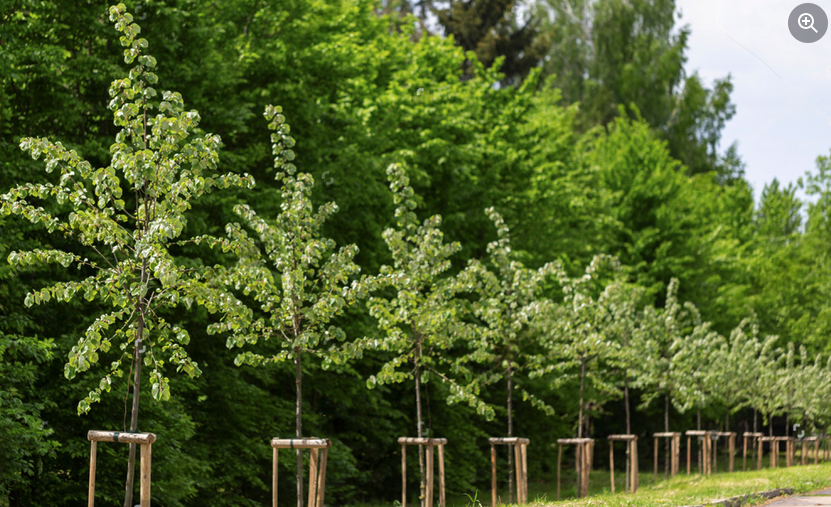
BM Tree Consultancy additional support services banner illustrating supplementary tree consultancy support.

Why This Service Matters

Tree-related planning conditions are a critical part of many development approvals. Failure to comply can lead to delays, enforcement action, or damage to valuable trees.

With Black Mountains Tree Consultancy, you benefit from:

Who Is This Service For?

Get Expert Planning Support Today

Whether you’re at pre-application stage or responding to planning conditions, our reports and plans help smooth the process, reduce risk, and protect valuable tree assets. Get Expert Advice or contact us to discuss your project requirements.

FAQs

What is planning support from an arboricultural consultant?
Planning support provides professional arboricultural advice throughout the planning and development process, helping ensure that trees are properly considered from the earliest design stages through to construction. Rather than simply producing survey reports, we work alongside homeowners, architects, planning consultants and developers to identify potential tree-related constraints, interpret planning requirements and recommend practical solutions. Early arboricultural input often helps reduce planning delays, minimise design changes and improve the likelihood of securing planning permission while protecting valuable trees.
The earlier, the better. Engaging an arboricultural consultant during the initial design stage allows potential conflicts between trees and development proposals to be identified before plans are finalised. This gives the design team greater flexibility to adapt layouts, protect important trees and avoid unnecessary planning objections. Waiting until after a planning application has been submitted can result in additional costs, redesign work and delays if further arboricultural information is requested by the Local Planning Authority.
Planning authorities expect developments to demonstrate that existing trees have been properly assessed and incorporated into the design wherever possible. Professional planning support ensures that arboricultural reports, drawings and recommendations meet current British Standards and local planning requirements. By identifying potential issues early and providing clear, evidence-based advice, we help create proposals that balance development objectives with responsible tree retention, often leading to a smoother planning process.
Not every project requires a full BS5837 survey, but many developments involving existing trees will. The need depends on the scale of the proposal, the proximity of trees and the requirements of the Local Planning Authority. Smaller projects may only require limited arboricultural input, while larger developments often need a complete package including a Tree Survey, Tree Constraints Plan, Arboricultural Impact Assessment and Arboricultural Method Statement. We’ll advise exactly what level of assessment is appropriate for your project.
Yes. We regularly collaborate with architects, planning consultants, engineers, landscape architects and developers throughout the design process. Sharing arboricultural information early allows the wider project team to make informed design decisions while ensuring tree protection is considered alongside other planning requirements. This collaborative approach often saves time, reduces revisions and helps produce better overall outcomes for both the development and the existing landscape.
Absolutely. It’s common for Local Planning Authorities to request further arboricultural information before determining a planning application. We can review the planning officer’s comments, prepare the required reports or drawings, respond to technical queries and advise on any amendments needed to address tree-related concerns. Prompt professional input can often help keep applications moving forward and reduce unnecessary delays.
No. Trees protected by a Tree Preservation Order (TPO) or located within a Conservation Area do not automatically prevent development. However, they do require careful consideration and may influence the design or construction methodology. Our role is to assess the constraints, advise on the relevant legislation and develop practical solutions that protect important trees wherever possible while supporting the objectives of the proposed development.
Arboricultural involvement often continues throughout the construction phase. Depending on the planning conditions, you may require an Arboricultural Method Statement, Tree Protection Plan or site monitoring to ensure retained trees remain protected during demolition and construction. We can provide ongoing arboricultural support, including site inspections and liaison with contractors, helping ensure planning conditions are met and valuable trees are successfully retained.
Yes. We provide planning support for projects of all sizes, from house extensions and new driveways to residential developments, commercial schemes and infrastructure projects. Every site presents different challenges, and our advice is tailored to the scale of the proposal, the surrounding trees and the planning requirements. Whether you’re a homeowner or a professional developer, you’ll receive the same independent, evidence-based arboricultural guidance.
Black Mountains Tree Consultancy is based in Talgarth, near Brecon, and provides planning support services throughout Powys, Monmouthshire, Herefordshire and the surrounding areas of Wales, the West Midlands and South West England. We work with homeowners, architects, developers, planning consultants and local authorities, delivering clear, practical arboricultural advice that supports successful planning applications while protecting the long-term value of existing trees.