bmtreeconsultancy

Tree Bracing & Propping

Structural Support Systems for Tree Preservation & Safety

At Black Mountains Tree Consultancy, we provide professional advice and specifications for tree bracing systems designed to support structurally compromised trees. When weak unions, splits, or decay threaten the safety or stability of a tree, non-invasive bracing offers a reliable solution to retain the tree while reducing risk.

Our recommendations are based on thorough inspection and risk assessment, ensuring that support systems are only advised when appropriate. We work with landowners, councils, estates and contractors to protect valuable tree stock safely and sensitively.
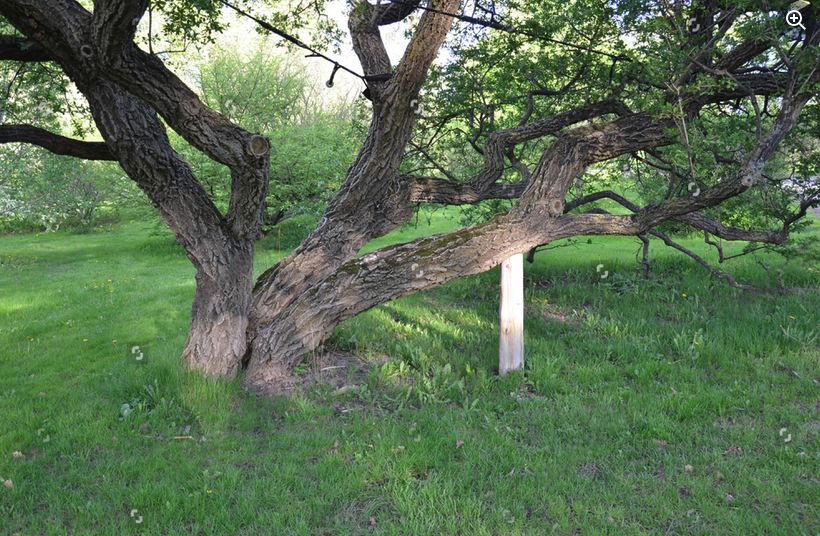
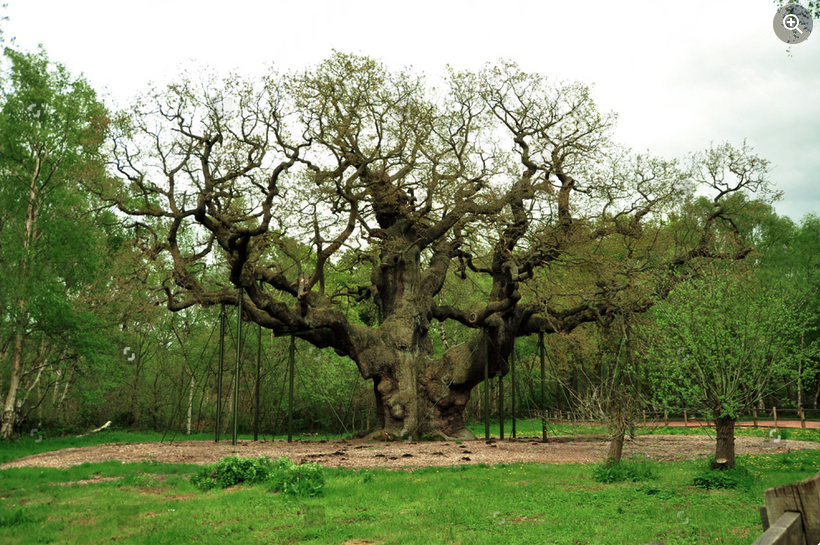
Tree preservation and safety measures for protecting trees.
Tree bracing services to stabilise and support trees with structural defects.”

What Is Tree Bracing?

Tree bracing is a structural support technique used to limit the movement of weakened or vulnerable limbs. It typically involves the installation of cabling systems or ropes between branches or across splits to prevent sudden failure in storms or under load.

It’s commonly used on:

We specify either static systems (rigid support) or dynamic systems (flexible, energy-absorbing systems) depending on the species, structure, and level of movement needed.

Our Bracing Consultancy Services

We provide:
Tree bracing is a technique used to reinforce weak or split tree unions with support systems to improve tree stability and prevent failure.

When to Consider Tree Bracing

Tree bracing is not suitable in every case, but it may be recommended when:
Where appropriate, we may combine bracing with pruning, load reduction, or restricted access beneath the tree canopy.

Why Choose Black Mountains?

Book a Bracing Assessment Today

We work across all of Wales, the West Midlands, South West England and beyond. Whether it’s a single veteran tree or multiple public realm trees requiring assessment, we’re here to help you take responsible, expert-led action. 

Preserve your trees and protect your responsibilities.

FAQ: Tree Bracing & Crown Support

What is tree bracing and propping?
Tree bracing and propping are specialist arboricultural techniques used to provide additional structural support to trees with weakened limbs, multiple stems or structural defects. Bracing typically involves installing flexible or rigid support systems high within the canopy to reduce stress on vulnerable branches, while propping provides physical support beneath heavy limbs closer to ground level. These methods are designed to reduce the likelihood of branch or stem failure while allowing the tree to continue growing naturally. They are often used to help retain mature, veteran or historically important trees that still provide significant landscape and ecological value.
Bracing may be considered where a tree has an identifiable structural weakness but remains healthy enough to justify retention. Common examples include weak branch unions, co-dominant stems, storm damage or mature limbs that require additional support. Every tree is assessed individually, taking into account its condition, location, species and the level of risk. In many situations, bracing provides a practical alternative to removal, particularly where the tree has significant amenity, heritage or ecological importance. Our recommendations are always based on evidence and long-term tree management rather than unnecessary intervention.
The decision follows a detailed arboricultural assessment of the tree’s structure and condition. We inspect the trunk, major limbs, branch unions and root system for signs of weakness, decay, excessive loading or previous storm damage. We also consider how the tree is growing, the targets beneath it and the likelihood of future failure. If additional support would meaningfully reduce risk while preserving the tree, we may recommend a bracing or propping system as part of a wider management strategy.
Modern tree bracing systems are designed to minimise impact on the tree while providing effective support. Many systems use flexible, non-invasive materials that allow natural movement and growth, helping reduce stress on weakened parts without restricting the tree unnecessarily. Where more traditional systems are appropriate, they are specified with care to avoid causing unnecessary damage. The type of system recommended will always depend on the tree’s condition, age and long-term management objectives.
Not always. While some bracing systems can remain in place for many years, they should be inspected periodically to ensure they continue to function effectively as the tree grows and changes. Trees are living organisms that develop over time, meaning support systems may require adjustment, replacement or removal as part of an ongoing management programme. Regular inspections help ensure both the tree and the bracing system remain in good condition.
Yes. Bracing is commonly used to help preserve veteran, heritage and protected trees where retaining the tree is desirable and appropriate. These trees often have significant ecological, historical or landscape value, making sympathetic management preferable to removal wherever possible. Where a Tree Preservation Order (TPO) applies or the tree is located within a Conservation Area, we can advise on the relevant permissions before any work is undertaken.
No. Bracing is only one of several possible management options. In some cases, careful pruning, crown reduction, monitoring or ongoing inspections may provide a more suitable solution. Conversely, if a tree has deteriorated beyond safe retention, removal may ultimately be the most appropriate recommendation. Because Black Mountains Tree Consultancy is an independent consultancy rather than a tree surgery contractor, our advice is impartial and based entirely on what is best for the tree and the surrounding environment.
Yes. Trees that have experienced storm damage may develop weakened limbs or structural defects that increase the risk of future failure. Following a detailed inspection, bracing or propping may be recommended where additional support can help retain the tree safely. Every case is assessed individually, as the suitability of bracing depends on the extent of the damage, the tree’s overall condition and its long-term prospects.
Absolutely. Bracing systems should never be viewed as a fit-and-forget solution. As part of our report, we’ll advise on inspection intervals, future maintenance and any additional monitoring required to ensure the tree remains healthy and structurally sound. Ongoing monitoring allows changes in the tree’s condition to be identified early, supporting proactive management and extending the tree’s lifespan wherever possible.
Black Mountains Tree Consultancy is based in Talgarth, near Brecon, and provides independent advice on tree bracing and propping throughout Powys, Monmouthshire, Herefordshire and the surrounding areas of Wales, the West Midlands and South West England. We work with homeowners, estates, local authorities, conservation organisations and commercial landowners, helping preserve valuable trees through practical, evidence-based arboricultural solutions.