bmtreeconsultancy

Decay Investigations

Identify Hidden Tree Defects Before They Become Hazards

At Black Mountains Tree Consultancy, our decay inspection services are designed to assess the internal structural condition of trees that may appear outwardly healthy but could be hiding serious weaknesses. Internal decay, cavities, or structural defects can pose a significant hazard, especially in highly populated locations such as schools, roadsides, or public parks.

All inspections are carried out by a highly qualified tree inspector with many years of experience in decay analysis, using recognised strength/loss calculation techniques and Visual Tree Assessment (VTA) methodology. Where required, we recommend or oversee additional investigation methods such as climbing inspections or specialist decay detection equipment.
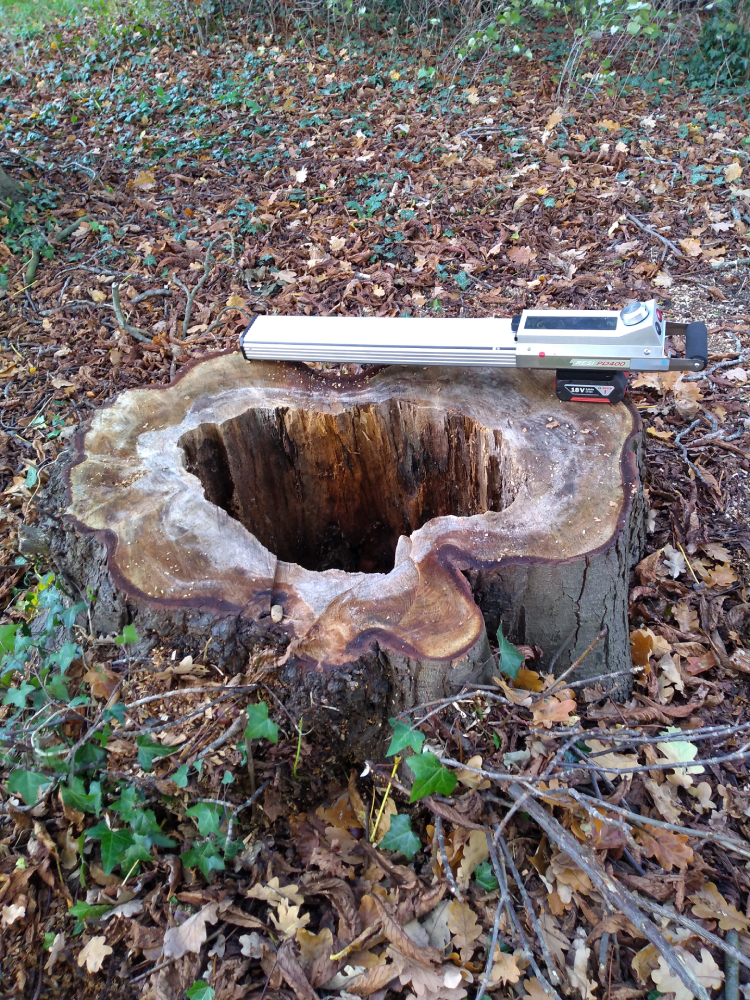
Hollow tree stump with a measuring tool

Why Decay Investigations Are Important

Internal decay can develop over years without obvious external signs. A tree with advanced internal rot may remain upright until a storm or wind event causes it to fail, sometimes with catastrophic consequences.

Our inspections help to:

This service is often used to complement routine tree safety surveys or to provide further investigation where concerns are raised about individual trees.
Close-up of a tree trunk showing internal decay and wood defects being inspected for safety.

What the Investigation Involves

We begin with a thorough visual assessment of the tree, its base, trunk, root flare, crown and canopy, noting signs such as:
Where concerns exist, we may recommend:
All findings are summarised in a clear, prioritised report with risk ratings and management recommendations.
Arborist inspecting a tree trunk and branches, checking for health and structural issues.

Who Should Consider a Decay investigation?

This service is particularly valuable for:

If you suspect internal decay, early detection could preserve the tree or prevent an incident.

Why Choose Black Mountains?

Book Your Decay Investigation Today

We work across all of Wales, the West Midlands, South West England and beyond and can travel nationally for larger or complex cases.

Concerned about a tree’s internal condition?

FAQ: Decay Investigation

What is a tree decay inspection?
A tree decay inspection is a specialist assessment that investigates whether a tree has developed internal decay or structural defects that could affect its health or stability. While some decay is a natural part of a tree’s lifecycle, certain fungi and internal defects can weaken the trunk, major limbs or root system over time. During the inspection, we assess the tree’s condition, identify visible signs of decay and determine whether further investigation or management is required. The aim is to understand the significance of any decay rather than simply confirming that it exists.
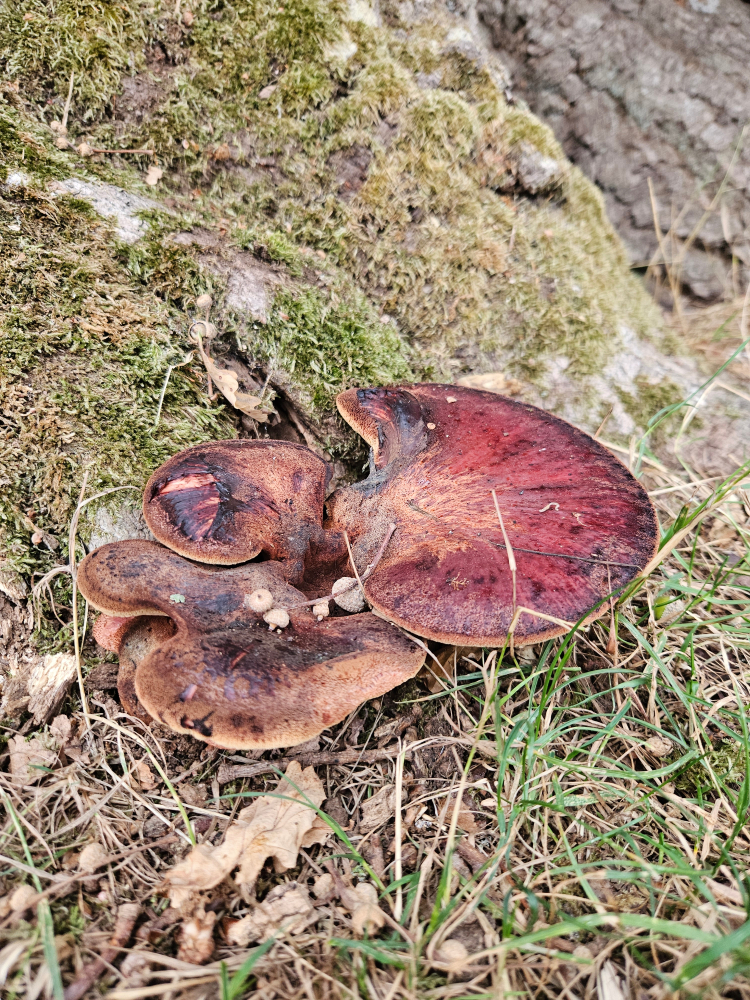
Internal decay is often hidden and may not be obvious from the outside. However, there are several warning signs that could indicate a problem, including fungal fruiting bodies, cavities, dead branches, cracks, excessive lean, areas of loose bark or unusual swelling around the trunk. Some trees may continue to produce healthy foliage despite having significant internal defects. A professional arboricultural inspection combines visual assessment with knowledge of tree biology and biomechanics to determine whether further investigation is needed.
No. Trees are remarkably resilient and can often continue to thrive despite containing areas of internal decay. Whether a decayed tree presents a safety risk depends on several factors, including the location and extent of the decay, the species, the tree’s overall health and what could be affected if failure occurred. Many trees with decay can be safely retained through appropriate management or regular monitoring. Our role is to assess the level of risk objectively and recommend proportionate action based on the available evidence.
Tree decay is most commonly caused by fungi that enter through wounds, damaged roots, broken branches or natural openings in the bark. Environmental stress, soil compaction, storm damage and previous pruning can also make trees more susceptible to decay organisms. Some fungi affect only the outer wood, while others progressively weaken the structural heartwood or root system. Identifying the type and location of decay is an important part of understanding how it may affect the tree’s long-term stability and health.
Where a visual inspection suggests hidden defects, we may recommend further investigation using specialist diagnostic equipment or advanced inspection techniques. These methods help assess the extent of internal decay without causing unnecessary damage to the tree and provide more detailed information than a visual inspection alone. Additional testing is only recommended where it is likely to influence management decisions, ensuring investigations remain proportionate and evidence based.
Only if the evidence shows that removal is the most appropriate course of action. Many trees affected by decay can continue to provide significant environmental and landscape value when managed correctly. Depending on the findings, our recommendations may include pruning, bracing, monitoring or periodic reinspection rather than removal. Because Black Mountains Tree Consultancy is an independent consultancy and does not undertake tree surgery, our advice is impartial and based entirely on the condition of the tree.
Yes. Severe weather can expose existing structural weaknesses or create new defects that may not have been visible previously. Following storms, high winds or prolonged periods of heavy rainfall, a decay inspection can identify whether damage has compromised the tree’s structural integrity or increased the likelihood of failure. Early assessment allows any necessary management work to be planned before further deterioration occurs.
Absolutely. Mature, veteran and protected trees often develop natural decay features as they age, and these require careful assessment rather than automatic removal. We inspect trees covered by Tree Preservation Orders (TPOs), located within Conservation Areas or recognised for their ecological value, providing balanced recommendations that consider both public safety and the importance of retaining valuable habitat wherever possible.
Yes. Every decay inspection includes a professional report explaining our observations, the significance of any decay identified and our recommendations for future management. Depending on the scope of the inspection, the report may include photographs, details of any fungi present, structural observations and advice on monitoring, further investigation or remedial works. The report is written in clear language while providing the technical detail required by insurers, landowners, local authorities and other professionals.
Black Mountains Tree Consultancy is based in Talgarth, near Brecon, and carries out tree decay inspections throughout Powys, Monmouthshire, Herefordshire and the surrounding areas of Wales, the West Midlands and South West England. Whether you’re concerned about a mature garden tree, managing a public space or investigating potential structural defects, we provide independent, evidence-based arboricultural advice to help you make informed decisions.