bmtreeconsultancy

Habitat Creation & Veteranisation

Design-Led Biodiversity Enhancements Through Trees & Natural Features

At Black Mountains Tree Consultancy, we provide bespoke habitat creation services to support biodiversity, ecological resilience, and planning conditions. Using a tree-first approach, we help landowners, ecologists, and developers introduce meaningful habitat features that promote species diversity and improve environmental value on site.

Whether your goal is to meet Biodiversity Net Gain (BNG) targets, rewild a section of land, or simply enrich your landscape with native ecological features, our work is grounded in sustainable arboricultural practice.
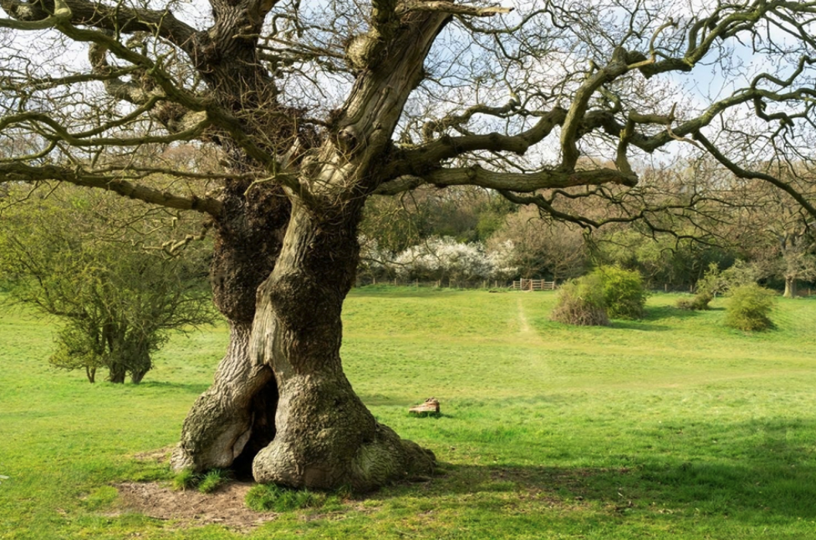
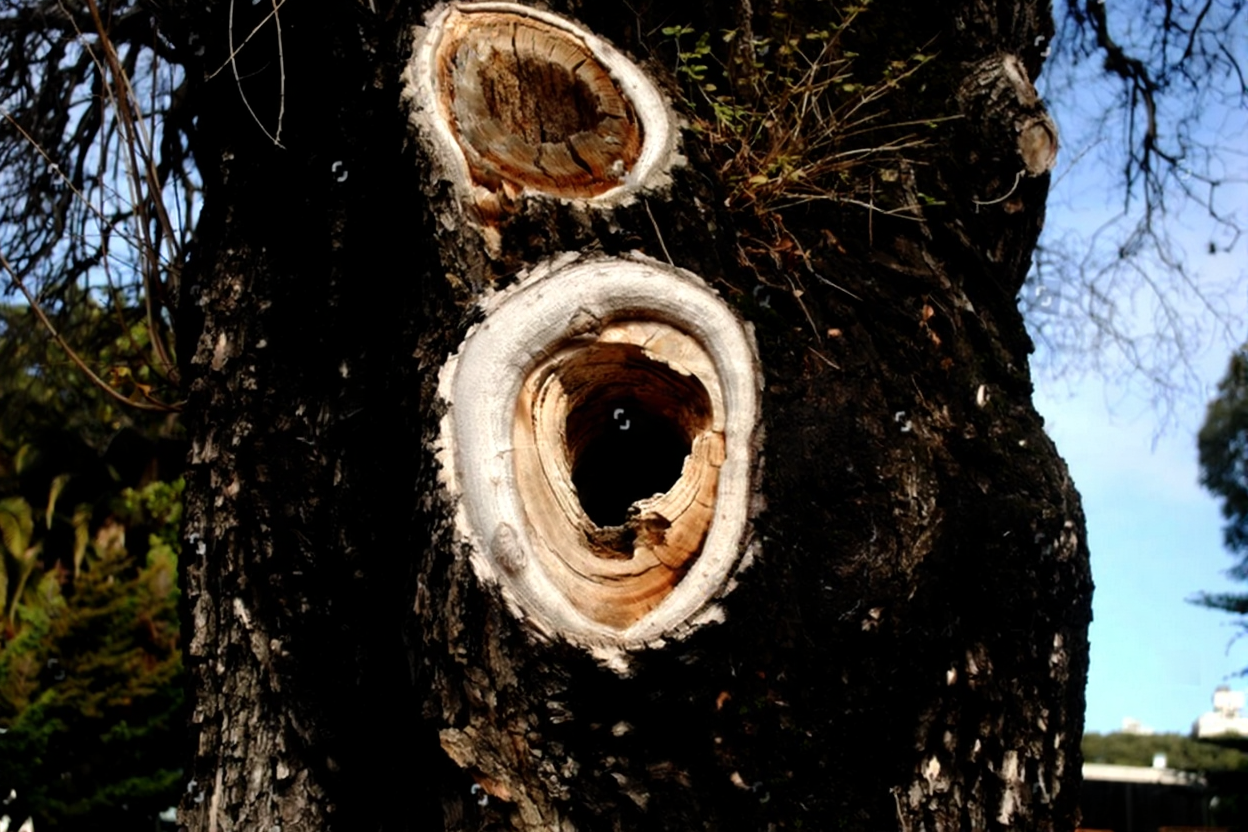
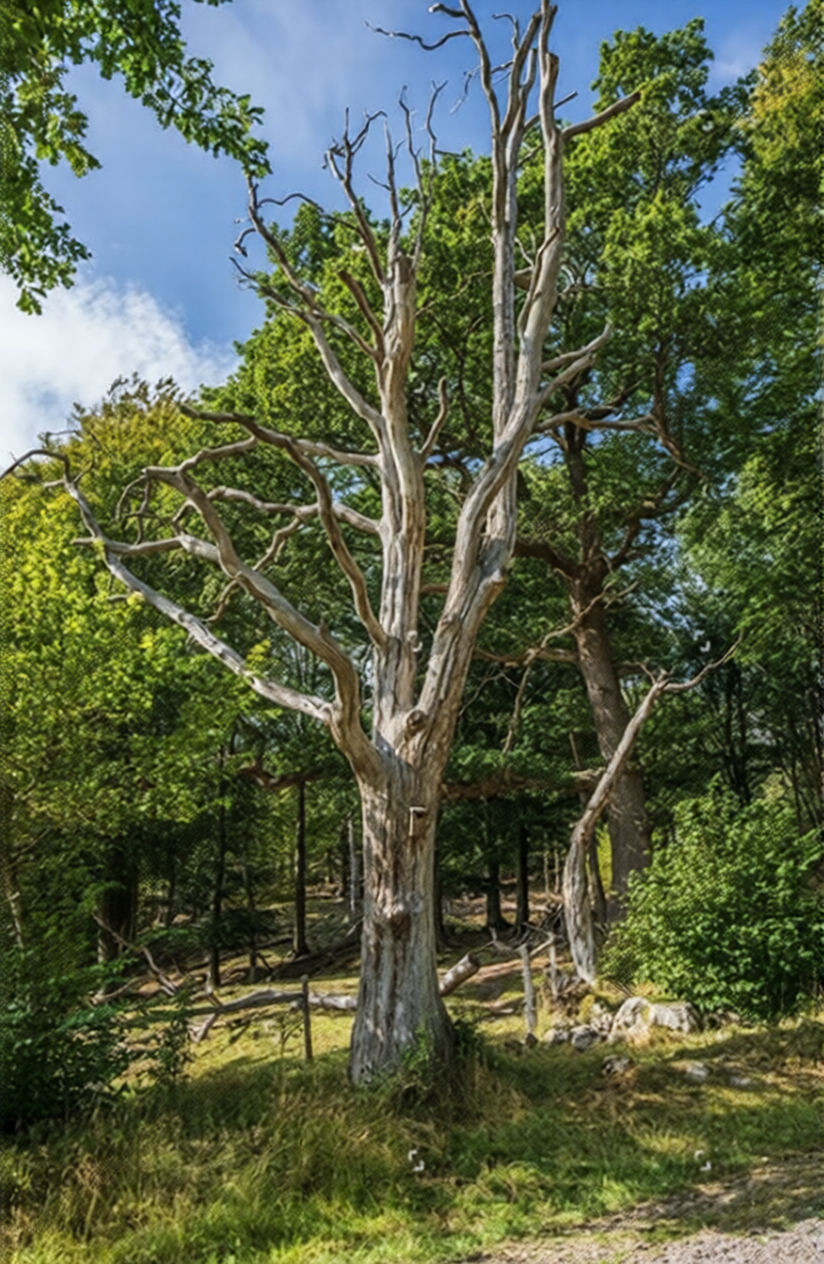
Design‑led biodiversity graphic depicting integrated ecological design with diverse vegetation and habitat elements for environmental enhancement.
Creating new wildlife habitat and enhancing ecosystem resilience.

Why Habitat Creation Matters

Habitats don’t just support wildlife they bring balance to the landscape, increase ecological connectivity, and form part of responsible land use in rural, urban and fringe environments. In the context of development or land management, introducing tree-based or deadwood habitats can:

We help you identify what’s appropriate for your site and make it happen.

Our Habitat Design Services

Our habitat creation projects are tailored to context, species, and long-term land use. We provide:
We often work alongside developers, landscape designers or ecological consultants to ensure habitats meet both functional and regulatory aims.
Habitat Design Services

Suitable Sites for Habitat Creation

Our services are commonly applied to:

If you’re unsure how to enhance biodiversity on your site, we can provide practical options with minimal visual or structural disruption.

Why Choose Black Mountains?

Enquire About Habitat Creation

We offer habitat design services across all of Wales, the West Midlands, South West England and beyond, and are happy to travel further for projects with conservation, educational or ecological value.

Enhance biodiversity, meet planning goals, and futureproof your landscape.

FAQ: Habitat Creation

What is habitat creation?
Habitat creation involves designing and enhancing landscapes to provide suitable environments for wildlife while supporting healthy, resilient ecosystems. This may include planting native trees and shrubs, creating woodland edges, establishing wildflower areas, installing deadwood habitats or improving existing green spaces. The aim is to encourage greater biodiversity by providing food, shelter and breeding opportunities for birds, mammals, insects and other wildlife. Every habitat creation project is tailored to the site’s existing ecology, landscape character and long-term management objectives.
Well-designed habitats support biodiversity, strengthen ecosystems and help wildlife adapt to changing environmental conditions. As natural habitats become increasingly fragmented, creating connected and diverse landscapes is more important than ever. Habitat creation not only benefits wildlife but can also improve soil health, water management, carbon storage and the overall appearance of a site. Whether you’re managing a private garden, rural estate or development project, investing in habitat creation helps deliver lasting environmental benefits for future generations.
Yes. Habitat creation is often an important element of modern development projects, particularly where biodiversity enhancement or Biodiversity Net Gain (BNG) requirements need to be considered. Thoughtfully designed planting schemes and habitat improvements can help offset ecological impacts, strengthen planning proposals and demonstrate a commitment to sustainable land management. We work alongside ecologists, architects and planning consultants to ensure habitat creation complements wider environmental and arboricultural objectives.
We advise on a wide range of habitat creation projects, including native woodland planting, hedgerows, wildlife corridors, orchards, species-rich grassland, ponds, deadwood habitats and natural regeneration areas. The most appropriate solution depends on the site’s location, existing habitats, soils and intended use. By selecting suitable species and designing habitats that work together, we create landscapes that provide long-term value for both wildlife and the people who enjoy them.
Native species have evolved alongside local wildlife over thousands of years, making them particularly valuable for supporting biodiversity. Many insects, birds and mammals rely on native trees and shrubs for food, nesting sites and shelter throughout the year. Choosing locally appropriate species also improves resilience, as they are generally better adapted to the climate, soils and environmental conditions found across Wales and the Welsh Borders. Where appropriate, we recommend planting schemes that maximise ecological benefit while complementing the surrounding landscape.
Absolutely. Habitat creation isn’t limited to empty sites or new developments. Existing gardens, farmland, estates and woodlands can often be enhanced through relatively simple measures such as supplementary planting, improving woodland structure, retaining standing deadwood, creating wildflower areas or restoring neglected habitats. Small changes can have a significant positive impact on biodiversity when they’re carefully planned and managed over time.
Every habitat develops at its own pace. Wildflower meadows may begin supporting pollinators within their first growing season, while newly planted woodlands and hedgerows continue to mature over many years. The long-term success of any habitat depends on selecting appropriate species, preparing the site correctly and implementing suitable ongoing management. We provide practical advice to help habitats establish successfully and continue delivering ecological benefits well into the future.
Yes. Healthy habitats play an important role in improving climate resilience by storing carbon, supporting healthy soils, reducing surface water runoff and helping landscapes adapt to changing weather patterns. Trees and diverse vegetation also improve air quality, provide shade and create more resilient ecosystems that can better withstand environmental pressures. Habitat creation is therefore an important part of both biodiversity conservation and wider environmental sustainability.
Yes. Habitat creation often forms part of a wider multidisciplinary project. We regularly collaborate with ecologists, landscape architects, planners and developers to ensure arboricultural, ecological and design objectives are successfully integrated. This collaborative approach helps create landscapes that are both environmentally valuable and practical to manage, while meeting planning requirements and long-term conservation goals.
Black Mountains Tree Consultancy is based in Talgarth, near Brecon, and provides habitat creation advice throughout Powys, Monmouthshire, Herefordshire and the surrounding areas of Wales, the West Midlands and South West England. We work with homeowners, estates, farmers, developers, conservation organisations and local authorities to design practical, sustainable habitat enhancements that support biodiversity and strengthen the natural environment.