bmtreeconsultancy

Nesting Boxes

Nesting & Roosting Solutions for Birds, Bats & Biodiversity Gains

At Black Mountains Tree Consultancy, we offer wildlife box installation services as part of our ecological design solutions. These include carefully selected and installed bird, bat, owl and mammal boxes that support site biodiversity and help meet ecological enhancement goals on both private and development sites.

Whether you’re aiming to meet planning conditions, support local wildlife populations or enhance existing habitats, we’ll advise on the right features, locations, and maintenance considerations to maximise ecological value.
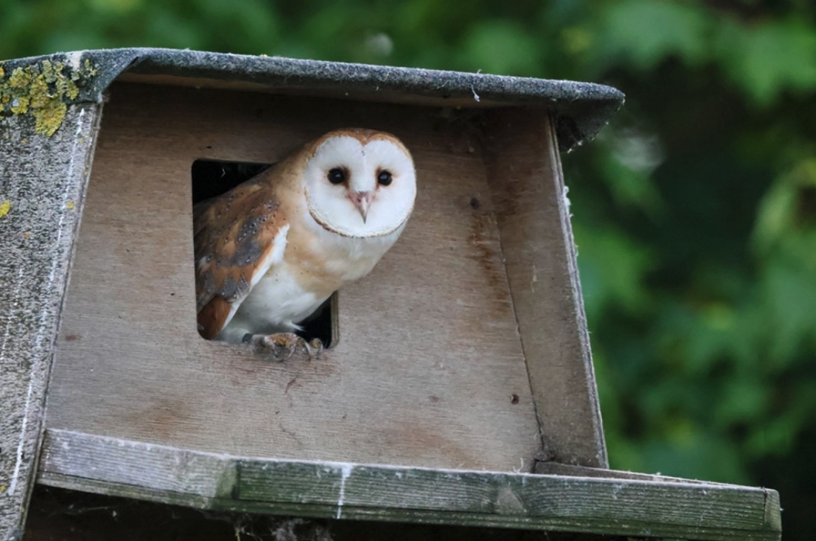
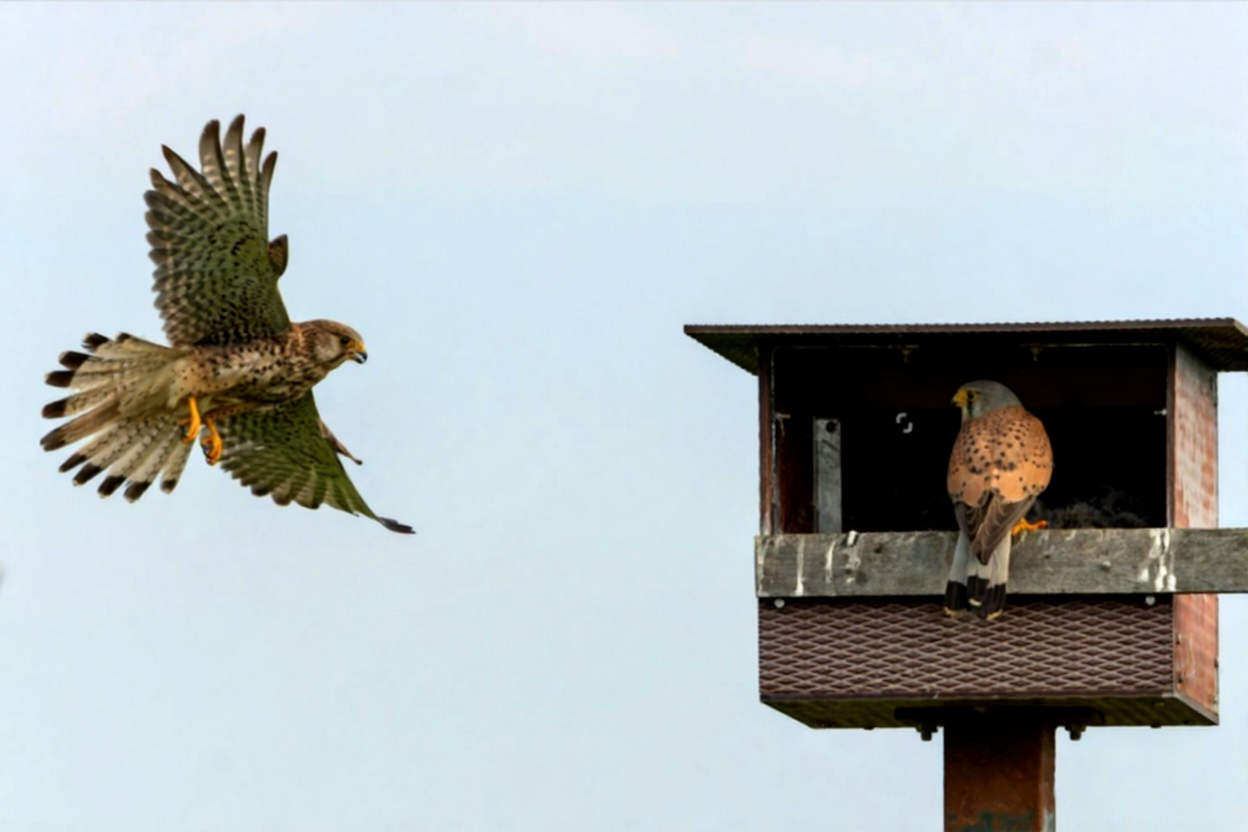
Beautiful Bird in nest
Install Wildlife Boxes

Why Install Nesting Boxes?

Modern landscapes especially in urban or semi-rural areas often lack suitable natural cavities for nesting and roosting. Nesting boxes provide immediate, low-intervention habitat options that can:

We offer advice on siting, species suitability, and long-term maintenance to ensure every box installation delivers measurable benefit.

What We Provide

We supply and install a range of habitat boxes tailored to your site and species goals. These include:

All our installations are carried out in line with current ecological best practice, and can be included as part of a wider tree, woodland, or habitat management plan.
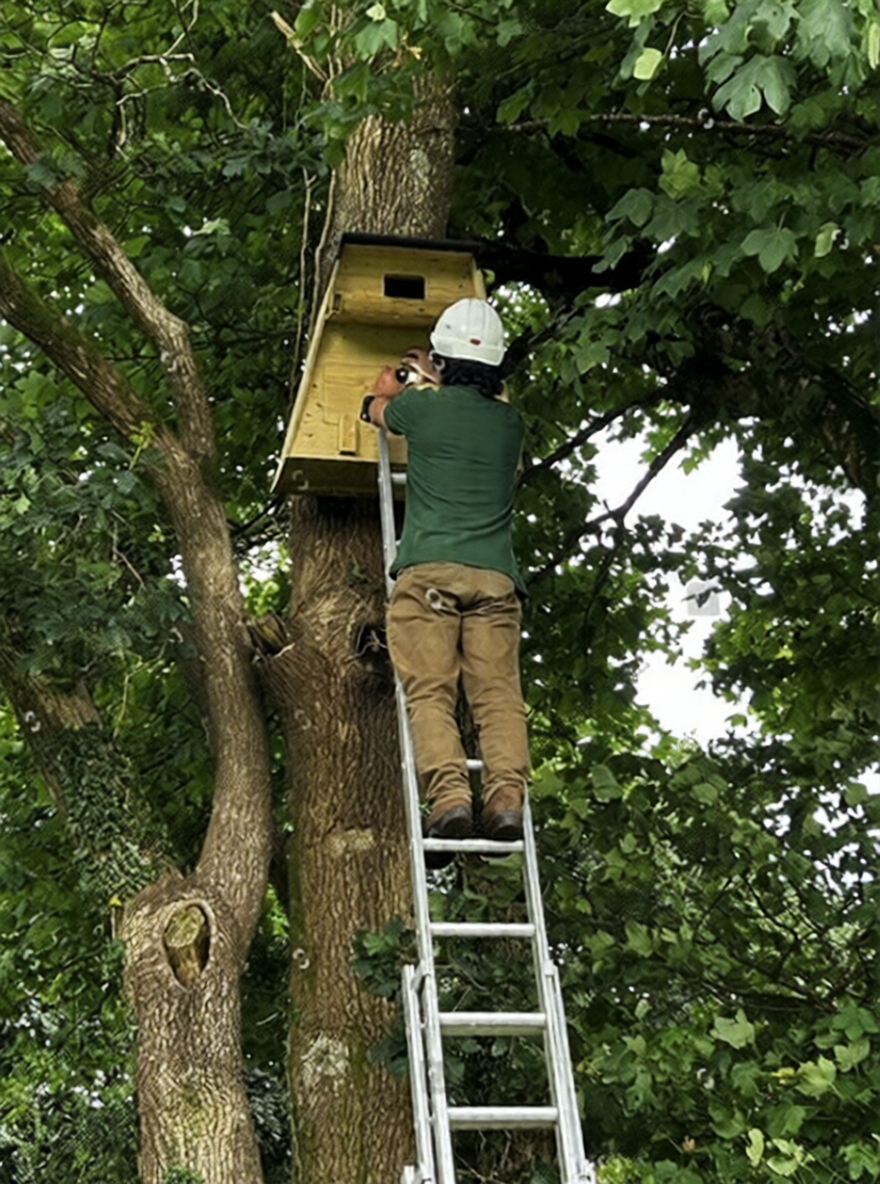
Wildlife support services often include habitat creation, species surveys, and ecological enhancements that help native plants and animals thrive.

Ideal Settings for Wildlife Box Installation

Boxes may also be used to compensate for lost habitat during tree works or as part of planning conditions recommended by ecological consultants.

Why Choose Black Mountains?

Book a Nesting Box Assessment

We provide nesting box advice and installation services across all of Wales, the West Midlands, South West England and beyond. Whether you need one bat box or a full ecological enhancement package, we’ll ensure your trees are working harder for biodiversity.

Encourage wildlife and enhance your site’s ecological value.

FAQ: Wildlife Box Installation

Why should I install nesting boxes?
Nesting boxes provide valuable nesting and roosting opportunities for wildlife where natural habitats are limited. As older trees, deadwood and traditional buildings become less common, many birds, bats and other species struggle to find suitable places to breed or shelter. Well-positioned nesting boxes can help support local biodiversity while encouraging wildlife to thrive in gardens, woodlands, parks and development sites. When installed as part of a wider habitat management strategy, they contribute to healthier ecosystems and improve the ecological value of a site.
Different species require different types of nesting boxes. Birds such as blue tits, great tits, robins, house sparrows, swifts and owls all have varying nesting requirements, while specially designed bat boxes provide roosting opportunities for several protected bat species. Other wildlife, including dormice and some invertebrates, may also benefit from purpose-built habitat features. Selecting the correct box design and positioning it appropriately greatly increases the likelihood of successful occupation.
The ideal location depends on the species you’re hoping to support. Factors such as height, orientation, surrounding vegetation, sunlight, shelter and human disturbance all influence whether wildlife will use a nesting box. For example, many bird boxes should face away from prevailing weather and strong afternoon sun, while bat boxes often require a range of locations with different temperatures throughout the day. We provide site-specific recommendations to maximise the ecological value of every installation.
Yes. Mature trees often provide excellent locations for nesting boxes, provided they are healthy enough to support them and installation is carried out sensitively. We carefully assess the condition of the tree and recommend fixing methods that minimise long-term damage while allowing for future growth. In some cases, buildings or purpose-built poles may offer more suitable locations depending on the target species and surrounding habitat.
Yes. Like any wildlife feature, nesting boxes benefit from periodic inspection and maintenance. Bird boxes are typically cleaned outside the breeding season to remove old nesting material and reduce the build-up of parasites, while bat boxes should only be inspected by suitably licensed specialists where required. Regular checks also help ensure fixings remain secure and the boxes continue to provide suitable habitat for many years.
Absolutely. Wildlife boxes are frequently incorporated into planning applications, habitat enhancement schemes and Biodiversity Net Gain (BNG) strategies. They provide measurable ecological improvements when combined with appropriate planting, habitat creation and long-term management. Installing nesting boxes demonstrates a commitment to supporting biodiversity while helping developments contribute positively to the surrounding environment.
Yes. Many bird species, along with all bat species in the UK, are protected by wildlife legislation. This means nesting sites and roosts must be considered before carrying out work to trees or buildings. Installing nesting or bat boxes should never be seen as a replacement for protecting existing habitats where they already exist. We can advise on the most appropriate ecological enhancements while ensuring compliance with current legislation.
Nesting boxes can generally be installed at any time of year, although autumn and winter are often ideal as they allow wildlife to discover and become familiar with them before the breeding season begins. Bat boxes can also provide valuable roosting opportunities throughout the year. Installing habitat features before development or landscaping works are completed can also help wildlife adapt more successfully to changes in the surrounding environment.
Yes. Nesting boxes are most effective when they form part of a broader ecological strategy. Combining wildlife boxes with native tree planting, hedgerows, wildflower meadows, ponds and deadwood habitats creates a much richer and more resilient landscape. We regularly advise clients on integrated habitat enhancement schemes that provide long-term benefits for wildlife while complementing the character and management objectives of the site.
Black Mountains Tree Consultancy is based in Talgarth, near Brecon, and provides advice on nesting boxes and wildlife habitat enhancement throughout Powys, Monmouthshire, Herefordshire and the surrounding areas of Wales, the West Midlands and South West England. We work with homeowners, estates, schools, developers, conservation organisations and local authorities to deliver practical, evidence-based solutions that support biodiversity and create lasting ecological value.