
Installing nesting boxes can provide valuable habitat for birds, bats, and other wildlife, particularly in areas where natural nesting spaces are limited. However, poor installation practices can reduce their effectiveness and even create risks for wildlife.
Understanding common nesting box installation mistakes can help homeowners, landowners, developers, and organisations create safer and more successful habitats. Correct positioning, appropriate fixing methods, and ongoing maintenance all play an important role in supporting biodiversity and encouraging long-term use.
At Black Mountains Tree Consultancy, practical habitat enhancement forms part of a wider approach to sustainable arboriculture and ecological land management.
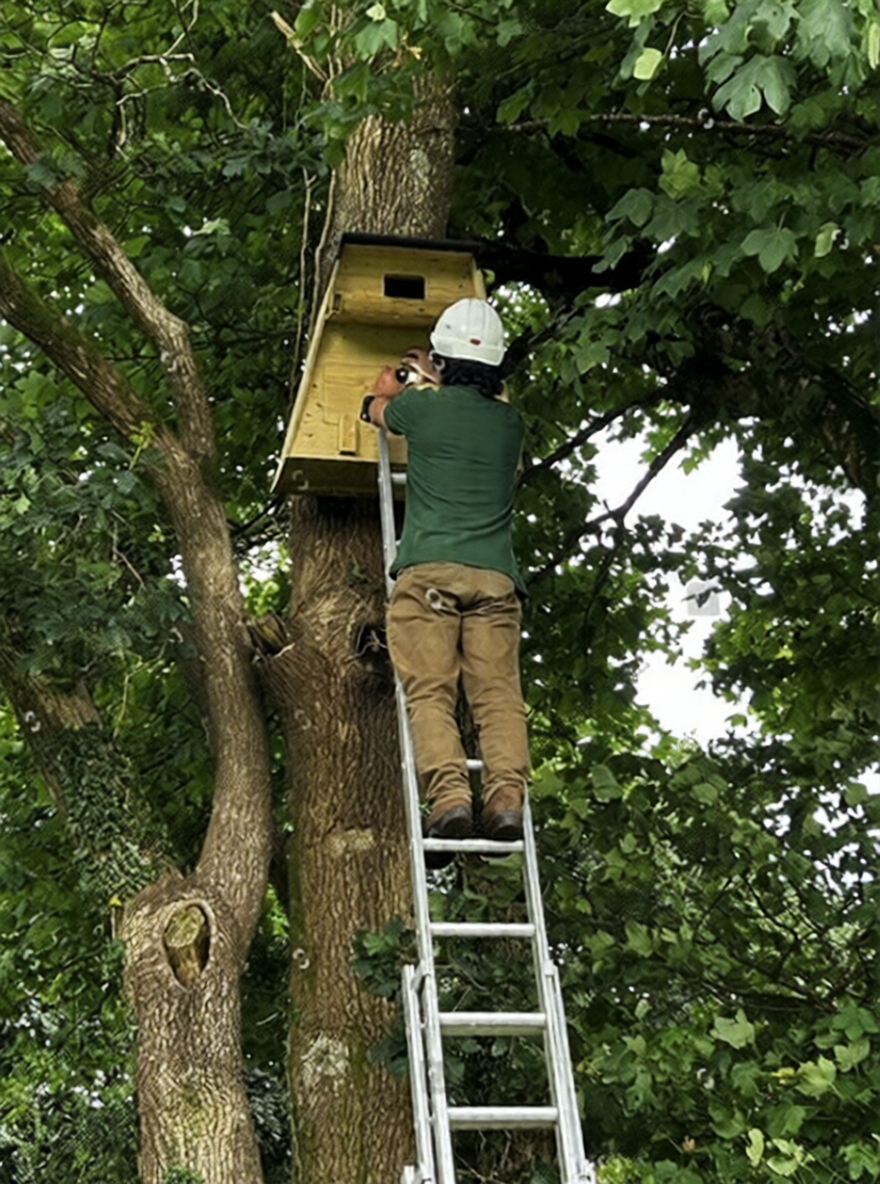
Why Proper Nesting Box Installation Matters
Nesting boxes are often installed with good intentions, but wildlife requirements can vary significantly between species. A poorly positioned or badly maintained nesting box may remain unused, become unsafe, or expose wildlife to unnecessary disturbance.
Professional guidance can help ensure nesting boxes are integrated successfully into wider habitat strategies, woodland management plans, and biodiversity enhancement projects. Services such as Nesting Boxes and Habitat Creation support landowners and developers looking to improve ecological value responsibly.
Common Nesting Box Installation Mistakes
Installing Boxes Facing the Wrong Direction
One of the most common nesting box installation mistakes involves incorrect orientation. In the UK, most bird boxes benefit from facing between north and east to avoid strong sunlight, overheating, and prevailing rain.
Boxes facing south or west may become excessively warm during summer or exposed to heavy weather conditions. This can make nesting conditions unsuitable for wildlife and increase stress on young birds or bats.
Different species may have slightly different requirements, so installation should always consider the target wildlife species and local environmental conditions.
Poor Placement Near Disturbance
Nesting boxes placed near busy footpaths, machinery, roads, or regularly used garden areas may experience high levels of disturbance. Wildlife generally prefers quieter locations where there is less human activity and reduced predator risk.
Common disturbance-related mistakes include:
- Installing boxes close to doors or windows
- Positioning near outdoor lighting
- Mounting beside noisy equipment
- Frequent pruning or maintenance nearby
Careful site selection helps improve occupancy rates while supporting natural wildlife behaviour.
For larger estates or woodland areas, professional Woodland Management planning can help identify suitable habitat zones for nesting installations.
Mounting Boxes Too Low
Height is another important consideration. Nesting boxes installed too low may become vulnerable to predators, vandalism, or accidental disturbance.
Typical guidance includes:
- Small bird boxes: around 2 to 4 metres high
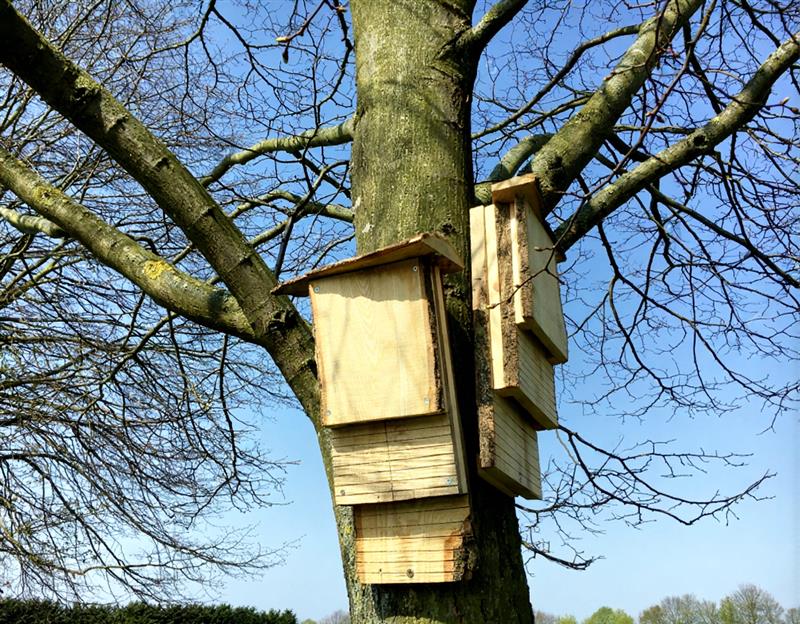
- Bat boxes: often 4 metres or higher
- Owl boxes: significantly higher depending on location
The surrounding environment should also be considered. Trees selected for installations should be structurally suitable and free from significant defects where possible. A professional Tree Assessment can help identify safe and appropriate mounting locations.
Using Unsafe Fixing Methods
Poor fixing methods can damage trees and create long-term structural problems. Using nails, wires, or brackets incorrectly may wound bark, restrict growth, or introduce decay pathways.
Common problems include:
- Tight wire loops restricting stem growth
- Corrosion from unsuitable metals
- Excessive drilling into healthy trees
- Weak fixings that fail during storms
Tree-mounted boxes should allow for natural tree growth while remaining secure over time. In some situations, alternative mounting systems or freestanding posts may provide a better solution.
This is particularly important when working with mature trees, veteran trees, or trees subject to safety inspections.
Nesting Box Installation Mistakes and Tree Safety
Although nesting boxes support biodiversity, installation should never compromise tree health or public safety. Weak branches, unstable stems, or decayed trees may not provide suitable mounting locations.
Combining habitat enhancement with professional Tree Safety Inspections can help identify safe installation points while protecting valuable trees and surrounding infrastructure.
Balancing ecological value with practical risk management is often an important part of arboricultural consultancy work, particularly on public sites, schools, estates, and development projects.
Ignoring Species-Specific Requirements
Different wildlife species have very different nesting preferences. A generic approach often leads to poor occupancy.
For example:
- Blue tits prefer small entrance holes
- Robins favour open-fronted boxes
- Bats require narrow crevices and stable temperatures
- Owls need larger internal spaces
Incorrect dimensions, unsuitable materials, or poor placement may discourage wildlife entirely.
Habitat planning should consider:
- Local species presence
- Existing habitat availability
- Sun exposure
- Shelter from weather
- Predator access
Professional habitat enhancement projects often combine nesting boxes with wider ecological improvements such as native planting, deadwood retention, and long-term habitat management.
Lack of Ongoing Maintenance
Many nesting boxes are installed and then forgotten. Without maintenance, boxes can deteriorate, become unsafe, or accumulate parasites and debris.
Routine maintenance may include:
- Annual cleaning outside nesting season
- Checking fixings and structural condition
- Monitoring for damage
- Removing invasive material
- Assessing tree growth around fixings
Poorly maintained boxes may eventually become unusable or hazardous.
Regular inspections help ensure nesting boxes continue supporting wildlife effectively over the long term.
Integrating Nesting Boxes Into Wider Habitat Creation
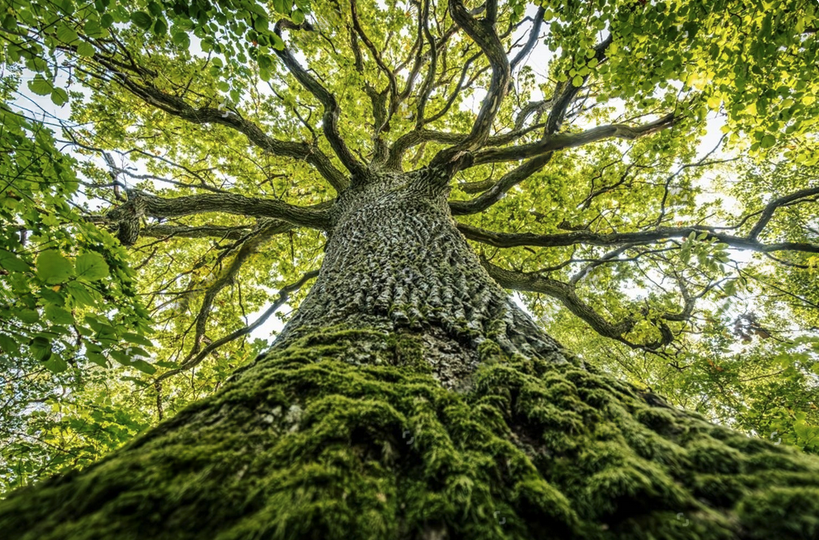
The most successful wildlife projects rarely rely on nesting boxes alone. Habitat diversity is essential for supporting healthy ecosystems.
Combining nesting boxes with broader Habitat Creation measures may include:
- Native tree planting
- Wildflower areas
- Deadwood habitats
- Hedgerow management
- Soil improvement
- Woodland edge enhancement
This integrated approach can provide better feeding, shelter, and breeding opportunities for wildlife across the landscape.
When Professional Advice Is Worth Considering
While small-scale garden installations can often be completed independently, professional guidance may be beneficial where:
- Multiple boxes are being installed
- Protected species are involved
- Trees require structural assessment
- Development projects need ecological support
- Public safety must be considered
- Woodland habitat strategies are planned
Independent arboricultural advice can help balance biodiversity goals with practical site management and long-term tree care.
With more than 20 years of arboricultural experience, Black Mountains Tree Consultancy provides practical guidance on habitat enhancement, tree management, and wildlife-focused arboriculture across Wales, the West Midlands, South West England, and suitable UK-wide projects.
Conclusion
Avoiding common nesting box installation mistakes helps create safer, more effective habitats for wildlife while protecting tree health and supporting long-term biodiversity. Correct placement, careful fixing methods, reduced disturbance, and regular maintenance all contribute to successful habitat enhancement projects.
Whether improving a private garden, rural estate, woodland, or development site, thoughtful installation makes a significant difference. Contact Black Mountains Tree Consultancy for independent advice on nesting boxes, habitat creation, and practical arboricultural support.
Frequently Asked Questions
What is the best height for installing nesting boxes?
Most small bird nesting boxes should be installed between two and four metres above ground level. Bat boxes are often positioned higher. Height requirements vary depending on species, surrounding habitat, and levels of disturbance nearby.
Can nesting boxes damage trees?
Poorly installed nesting boxes can damage trees if unsuitable fixings restrict growth or wound bark. Correct installation methods minimise harm while allowing natural tree development and maintaining long-term structural health and stability for both trees and wildlife.
How often should nesting boxes be cleaned?
Nesting boxes should generally be cleaned once each year outside the nesting season, usually during autumn or winter. Regular cleaning helps remove parasites, old nesting material, and debris while maintaining healthy conditions for returning wildlife species.
Why are nesting boxes not being used?
Unused nesting boxes may result from poor placement, excessive disturbance, incorrect orientation, unsuitable box design, or lack of nearby habitat. Species-specific requirements and environmental conditions significantly influence whether birds or bats choose to occupy installed boxes.
Do nesting boxes help biodiversity?
Nesting boxes support biodiversity by providing additional shelter and breeding opportunities where natural habitats are limited. When combined with habitat creation and sustainable land management, they can contribute positively to local wildlife populations and ecological resilience.