Trees provide beauty, shade, wildlife habitats and environmental benefits, but they also require regular monitoring to remain safe. While many trees can live for decades or even centuries, disease, weather damage, structural defects and age can all affect their stability. Recognising dangerous tree signs early allows property owners to take action before a small issue becomes a costly or hazardous problem.
Whether you own a private garden, manage commercial land or oversee public spaces, arranging a professional tree safety inspection is one of the best ways to protect people, buildings and neighbouring properties.
At Black Mountains Tree Consultancy, experienced arboricultural consultants provide expert tree inspections, surveys and professional advice to help landowners make informed decisions while complying with legal responsibilities.
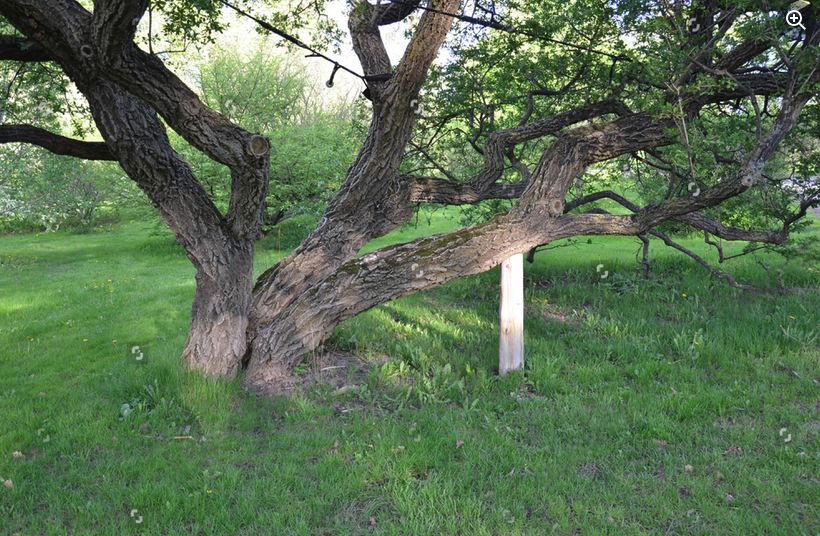
Dangerous Tree Signs That Should Never Be Ignored
Identifying dangerous tree signs early can prevent accidents and reduce expensive emergency work. Here are seven warning signs every property owner should know.
1. Large Dead Branches in the Canopy
Deadwood is one of the most obvious indicators that a tree may require attention.
Large dead branches can fall without warning, particularly during periods of high wind, heavy rain or snowfall. Even smaller branches can cause injury or damage vehicles, roofs, fences and garden structures.
Signs include:
- Branches without leaves during the growing season
- Dry, brittle wood
- Bark falling away
- Hollow sounding limbs
A professional tree safety inspection can determine whether selective pruning is sufficient or whether more extensive work is required.
2. Cracks in the Trunk
Long vertical or horizontal cracks may indicate structural weakness.
Although not every crack makes a tree unsafe, deep splits can suggest:
- Internal decay
- Storm damage
- Structural stress
- Weak branch unions
Fresh cracks often appear after severe weather and should always be assessed promptly.
Experienced arboricultural consultants can determine whether the tree remains structurally sound or requires remedial work.
3. Fungal Growth Around the Base
Fungi growing on or around a tree often indicate decay beneath the surface.
Common warning signs include:
- Bracket fungi
- Mushrooms near roots
- Soft or decaying bark
- Cavities
The visible fungus may represent only a small proportion of a much larger internal decay issue.
Because root decay significantly reduces stability, fungal growth should never be ignored.
4. Leaning Trees That Continue to Move
Many trees naturally grow at an angle without posing any danger.
However, a tree that suddenly begins leaning or continues to lean further each year may indicate root failure.
Warning signs include:
- Raised soil around the base
- Newly exposed roots
- Cracking ground
- Movement after storms
A tree safety inspection can establish whether the tree remains stable or requires urgent attention.
5. Hollow or Decaying Trunks
A hollow trunk does not automatically mean a tree is dangerous.
Some mature trees survive for many years with hollow centres while maintaining adequate structural strength.
However, when decay becomes extensive, the remaining healthy wood may no longer support the canopy safely.
Professional inspection equipment can help determine the amount of sound timber still present.
Never assume a hollow tree is safe simply because it appears healthy externally.
6. Dead or Dying Crown
The crown is the upper section of the tree made up of branches and foliage.
Symptoms of crown decline include:
- Sparse leaf growth
- Small leaves
- Branch dieback
- Premature leaf loss
- Uneven canopy
These symptoms often indicate root problems, disease or physiological stress.
A declining crown is one of the most important dangerous tree signs because it may signal serious internal issues.
7. Root Damage
Healthy roots anchor the tree securely.
Construction work, excavation, paving, vehicle traffic and soil compaction can all damage root systems.
Watch for:
- Severed roots
- Soil disturbance
- Exposed root plates
- Tree movement
- Poor leaf growth
Because root damage occurs underground, the problem often goes unnoticed until the tree becomes unstable.
Early assessment helps reduce the likelihood of complete failure.
Why Regular Tree Safety Inspection Matters
Not every tree showing these dangerous tree signs requires removal.
In many cases, professional arboricultural advice can recommend:
- Crown reduction
- Deadwood removal
- Crown thinning
- Bracing
- Ongoing monitoring
- Soil improvement
A professional tree safety inspection provides objective recommendations based on the tree’s condition rather than assumptions.
This approach protects valuable mature trees wherever possible while ensuring public safety.
Who Should Arrange Tree Inspections?
Tree inspections are valuable for:
- Homeowners
- Schools
- Property management companies
- Housing associations
- Commercial premises
- Local authorities
- Landowners
- Developers
Regular inspections become particularly important where trees are located near:
- Roads
- Footpaths
- Car parks
- Buildings
- Children’s play areas
- Public spaces
Professional assessments help demonstrate responsible tree management and reduce potential liability.
When Should Trees Be Inspected?
Many tree owners only arrange inspections after storms.
However, preventative inspections are far more effective.
Consider arranging a tree safety inspection:
- Every few years for mature trees
- After severe storms
- Following construction work
- If trees begin leaning
- When fungi appear
- Before property development
- If neighbouring properties could be affected
Routine inspections often identify problems before they become emergencies.
Why Choose Black Mountains Tree Consultancy ?
Black Mountains Tree Consultancy provides independent arboricultural advice based on recognised industry standards.
Services include:
- Tree safety inspections
- Tree surveys
- Arboricultural reports
- Development advice
- Planning support
- Tree risk assessments
- BS5837 surveys
- Tree management recommendations
Every assessment is tailored to the individual tree, site conditions and client requirements.
Whether you require advice for a single garden tree or a large commercial site, professional guidance helps you make informed decisions while preserving valuable trees wherever possible.
Wrapping Up
Recognising dangerous tree signs early is the best way to reduce risk while protecting healthy trees. Dead branches, trunk cracks, fungal growth, leaning stems, hollow trunks, declining crowns and root damage should all be professionally assessed before they develop into serious hazards.
A professional tree safety inspection provides peace of mind, helping homeowners, businesses and landowners understand the condition of their trees and take appropriate action. If you have concerns about any tree on your property, Black Mountains Tree Consultancy offers experienced, independent arboricultural advice to help keep people, property and trees safe for years to come.
Frequently Asked Questions
How do I know if a tree is dangerous?
Common dangerous tree signs include dead branches, trunk cracks, fungal growth, hollow sections, sudden leaning, root damage and a thinning crown. While these symptoms may indicate structural issues, only a qualified arboricultural consultant can accurately assess the level of risk through a professional tree safety inspection.
How often should a tree safety inspection be carried out?
Inspection frequency depends on the tree’s age, location and condition. Mature trees near buildings, roads or public areas should be inspected regularly, particularly after severe storms. Routine professional assessments identify developing issues early, allowing preventative maintenance before hazards or costly emergency work become necessary.
Does a leaning tree always need removing?
Not necessarily. Some trees naturally grow at an angle without presenting any safety concerns. However, if a tree suddenly begins leaning, continues to lean further or shows root movement, it should be inspected promptly. A professional tree safety inspection determines whether monitoring, pruning or removal is appropriate.
Can fungi growing on a tree indicate serious problems?
Yes. Fungal fruiting bodies often indicate internal decay affecting the trunk or root system. Although some fungi are relatively harmless, others significantly weaken structural stability. Professional inspection identifies the type of decay present and provides suitable management recommendations to reduce any associated safety risks.
What happens during a tree safety inspection?
During a tree safety inspection, an arboricultural consultant examines the tree’s structure, roots, trunk, branches, canopy and surrounding environment. Visible defects, decay, disease, stability and potential hazards are assessed before providing recommendations such as monitoring, pruning, further testing or removal where necessary.
Why is regular tree inspection important for property owners?
Regular inspections help identify dangerous tree signs before they become serious safety hazards. Early detection reduces the risk of falling branches, structural failure and property damage while supporting responsible tree management. Inspections can also demonstrate that reasonable care has been taken to manage tree-related risks.
Why choose Black Mountains Tree Consultancy for tree inspections?
Black Mountains Tree Consultancy provides independent, professional arboricultural advice tailored to homeowners, businesses, developers and landowners. Their experienced consultants carry out detailed tree safety inspections, surveys and reports, helping clients make informed decisions while protecting valuable trees and ensuring compliance with recognised industry standards.