Tree Surveys
Identifying the Role of Trees in Structural Ground Movement
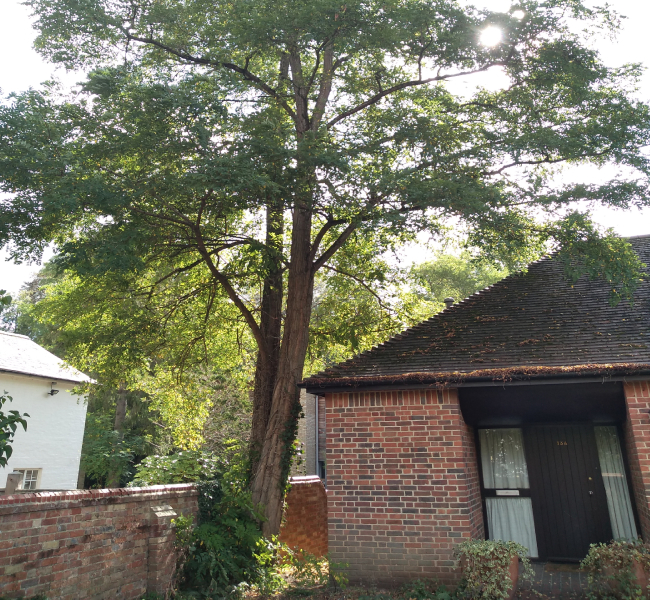
When buildings show signs of subsidence, trees are often suspected as a contributing factor. At Black Mountains Tree Consultancy, we carry out specialist tree subsidence surveys to assess whether nearby vegetation is influencing ground stability particularly in areas with shrinkable clay soils.
Our reports combine arboricultural expertise with clear, site-specific analysis, helping homeowners, insurers, engineers and local authorities manage risk, resolve claims, and make informed decisions.
-
0781 791 4405
What Our Subsidence Surveys Cover
- Tree species identification – Some species are more likely to influence soil moisture
- Size & root potential – Understanding the tree’s capacity to draw water
- Distance to structures – Measured root spread vs proximity to foundations
- Soil type assessment – Particular focus on shrinkable clays and moisture dynamics
- Tree condition & water demand – Health and physiological uptake
- Recommendations – Root barrier options, pruning, removal, or monitoring
We can also liaise directly with engineers or insurers, providing clear and defensible data to support subsidence claims or decisions.
-
0781 791 4405
Who Needs This Service?
- Homeowners seeing signs of cracks or movement
- Loss adjusters & insurers requiring expert guidance
- Structural engineers assessing building damage causes
- Local councils or planning officers handling tree-related complaints
- Surveyors & property professionals needing vegetation input in reports
Why Choose Black Mountains?
- Trusted by professionals and property owners
- Fully qualified tree consultants with site-specific knowledge
- Reports delivered in plain English, suitable for legal or insurance use
- Fast turnaround available where urgent assessment is needed
- Independent, impartial advice
Know What’s Really Causing the Cracks
If you’re unsure whether a tree is affecting your building’s stability, don’t guess get expert insight. Our surveys help clarify the role of vegetation and advise on balanced, evidence-led solutions.
-
0781 791 4405
FAQ – Tree Subsidence Surveys
What is a Tree Subsidence Survey?
A Tree Subsidence Survey investigates whether nearby trees or shrubs could be contributing to movement affecting a building. The assessment considers factors such as tree species, size, distance from the property, soil type, foundation depth and visible signs of structural movement. Tree roots do not automatically cause subsidence, so every case is assessed individually using arboricultural evidence and site-specific conditions. Our survey provides an independent professional opinion that can support homeowners, insurers, structural engineers and property professionals when investigating potential subsidence.
How do trees cause subsidence?
Trees can contribute to subsidence where they grow in shrinkable clay soils and extract significant amounts of moisture during the growing season. As the clay dries, it can shrink, causing the ground beneath shallow foundations to move. However, this only occurs under certain conditions and not all trees or properties are at risk. Factors such as the species, age and size of the tree, local geology, weather patterns and foundation design all influence whether tree roots are likely to be a contributing factor. A professional assessment helps determine whether a tree is genuinely involved or whether another cause should be investigated.
What are the signs of tree-related subsidence?
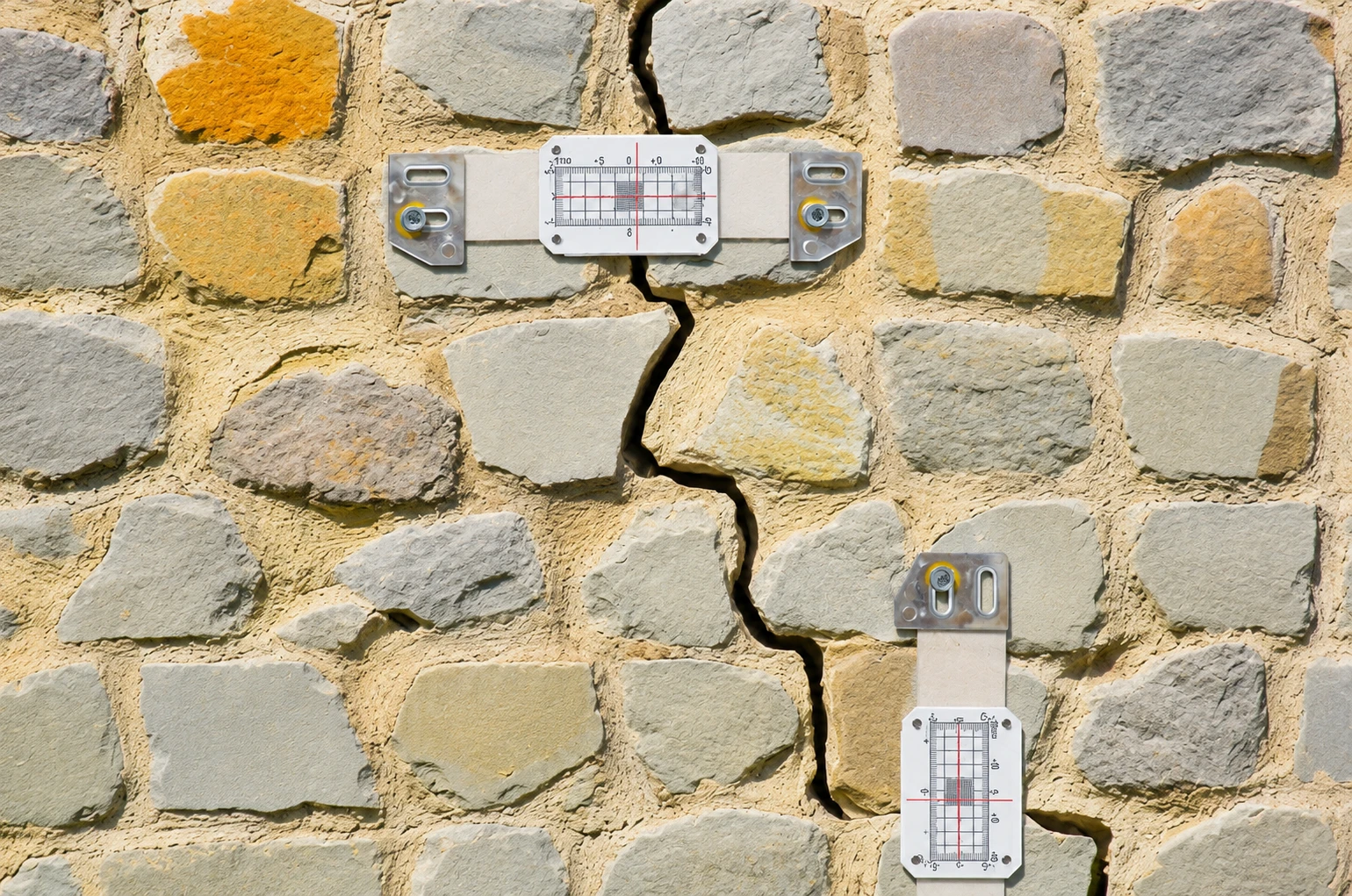
Common signs include stepped cracks in brickwork, doors or windows that suddenly become difficult to open, sloping floors, gaps around window frames and cracks that widen during prolonged dry weather before reducing during wetter periods. These symptoms do not necessarily mean trees are responsible, as similar damage can also result from foundation settlement, drainage defects or structural issues. A Tree Subsidence Survey considers both the condition of nearby trees and the wider site to provide an informed, evidence-based assessment.
Does finding cracks in my property mean a tree is responsible?
No. Cracks can develop for many different reasons, including normal building movement, seasonal expansion and contraction, ageing materials, drainage problems or construction defects. Trees are only one potential factor and should never be assumed to be the cause without proper investigation. An arboricultural assessment forms one part of a wider diagnostic process and is often carried out alongside structural engineering and geotechnical investigations where necessary. Our aim is to provide objective advice based on evidence rather than assumptions.
What does a Tree Subsidence Survey include?
The survey involves a detailed inspection of nearby trees together with an assessment of the property’s surroundings. We record the species, dimensions, age, condition and distance of relevant trees from the building, while also considering local soil characteristics, topography and any visible signs of structural movement. Where appropriate, we review available site information and recommend further investigations such as soil analysis, root identification or specialist engineering assessments. You’ll receive a clear written report explaining our findings and professional recommendations.
Can removing a tree solve subsidence?
Not always. Removing a tree without understanding the underlying cause may fail to resolve the issue and can sometimes create new problems, particularly on shrinkable clay soils where ground rebound or heave may occur. Every situation should be assessed individually before management decisions are made. In some cases, careful pruning, monitoring or engineering solutions may be more appropriate than removal. As an independent consultancy, we provide impartial recommendations based on the available evidence rather than automatically suggesting tree removal.
Can you help with insurance claims?
Yes. We regularly provide independent arboricultural reports that can support discussions with insurers, loss adjusters and structural engineers where tree-related subsidence is suspected. Our reports present objective findings on the relationship between nearby trees and the property, helping insurers and property owners make informed decisions based on professional evidence. Where additional investigations are required, we’ll explain what further information may be needed to reach a robust conclusion.
Do you work with structural engineers and surveyors?
Absolutely. Tree subsidence investigations often require collaboration between arboricultural consultants, structural engineers, building surveyors, geotechnical specialists and insurers. We work alongside other professionals to ensure the arboricultural aspects of the investigation are properly understood and integrated into the wider assessment. This collaborative approach helps provide clients with a complete understanding of the factors contributing to structural movement and the most appropriate course of action.
Can you assess trees protected by a Tree Preservation Order?
Yes. Trees protected by a Tree Preservation Order (TPO) or located within a Conservation Area can still be inspected as part of a subsidence investigation. If the assessment concludes that management work may be justified, we can advise on the legal process and prepare supporting arboricultural evidence for submission to the Local Planning Authority. Any recommendations are based on sound arboricultural principles and current legislation.
Which areas do you cover for Tree Subsidence Surveys?
Black Mountains Tree Consultancy is based in Talgarth, near Brecon, and provides Tree Subsidence Surveys throughout Powys, Monmouthshire, Herefordshire and the surrounding areas of Wales, the West Midlands and South West England. Whether you’re a homeowner concerned about structural cracks, an insurer investigating a claim or a property professional requiring independent arboricultural advice, we can provide thorough, evidence-based assessments tailored to your circumstances.