Buying a home is one of the biggest financial commitments most people will ever make. While buyers often focus on structural surveys, valuations and legal checks, the trees surrounding a property can sometimes present hidden risks that affect both safety and mortgage approval. Mature trees add beauty, privacy and environmental value, but they can also raise concerns about subsidence, structural damage and future maintenance if not properly assessed.
This is where mortgage tree reports become invaluable. A professional assessment provides lenders, buyers and property owners with expert advice on the condition of nearby trees and their potential impact on the property.
At Black Mountains Tree Consultancy, qualified arboricultural consultants provide detailed mortgage tree reports that help buyers, lenders and surveyors make informed decisions while ensuring any concerns are professionally evaluated.
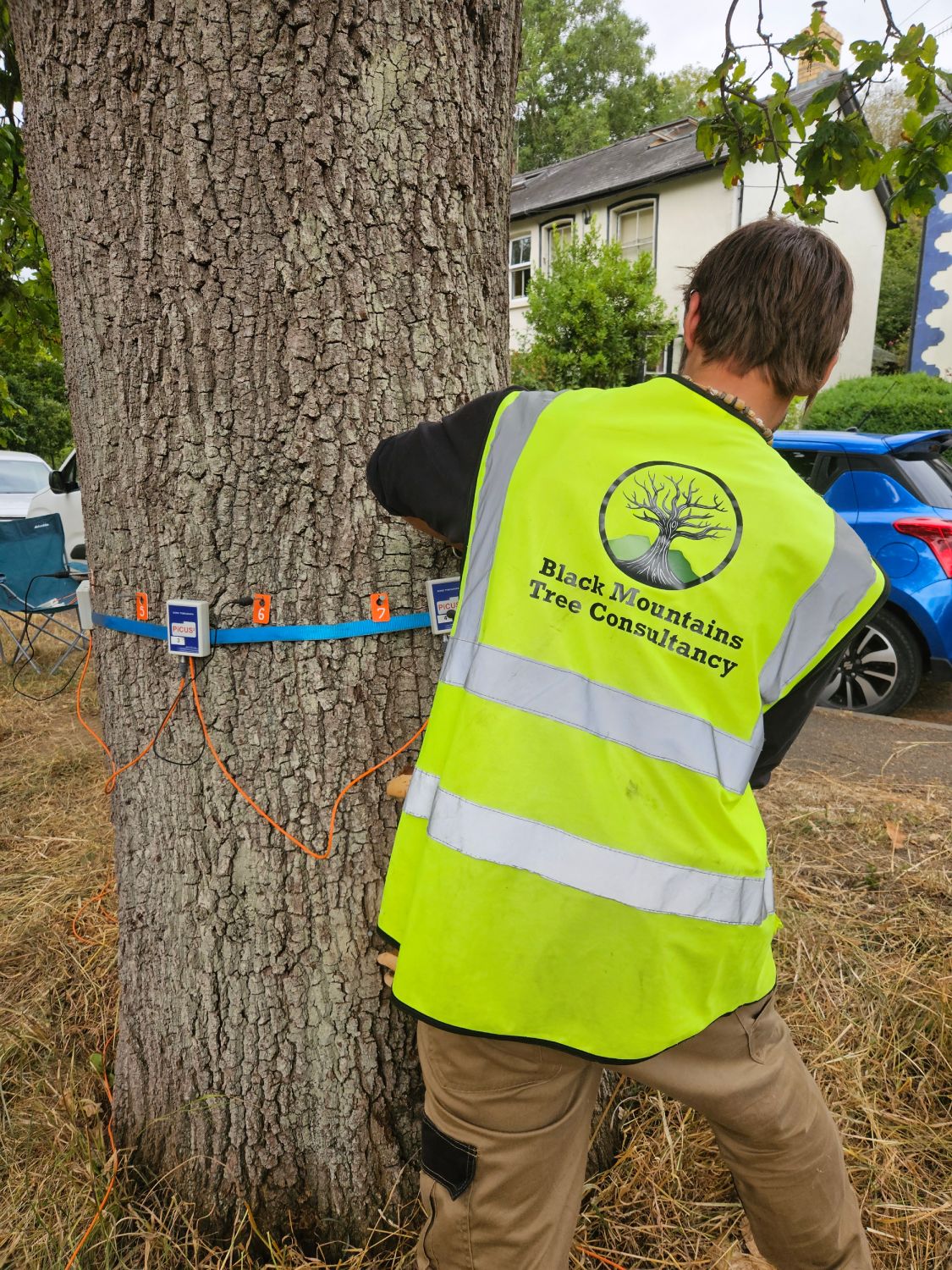
Why Mortgage Tree Reports Are Important When Buying Property
Purchasing a property involves understanding every potential risk before contracts are exchanged.
While a home survey may identify visible defects, surveyors are not tree specialists. If large or mature trees are located close to the building, your surveyor or mortgage lender may recommend a specialist mortgage tree survey before proceeding.
These reports provide reassurance that any tree-related risks have been properly assessed by a qualified arboricultural consultant.
When Might a Mortgage Tree Report Be Requested?
There are several situations where lenders or surveyors may recommend a tree assessment.
These commonly include:
- Large mature trees close to the property
- Evidence of historical subsidence
- Clay soil conditions
- Cracking around walls or foundations
- Previous insurance claims
- Significant tree root growth nearby
- Protected or mature specimen trees
A professional report helps determine whether the trees present a genuine risk or whether they can be safely retained with appropriate management.
What Does a Mortgage Tree Report Include?
A comprehensive mortgage tree report provides detailed information about the trees surrounding the property.
Typical assessments include:
- Tree species identification
- Tree height and age estimation
- Distance from buildings
- Overall health and condition
- Structural defects
- Root influence potential
- Risk of future growth
- Recommendations for management
The report also explains whether any tree work is recommended and if the trees are likely to affect the property’s structural integrity.
How Trees Can Affect Mortgage Applications
Mortgage lenders aim to minimise financial risk.
If surveyors identify concerns regarding nearby trees, lenders may request further evidence before approving the mortgage.
Potential concerns include:
Subsidence Risk
Certain tree species extract significant amounts of moisture from clay soils.
During prolonged dry periods, this can contribute to ground movement beneath foundations in susceptible areas.
A specialist mortgage tree survey assesses whether nearby trees are likely to influence soil movement.
Structural Damage
Large roots may affect:
- Retaining walls
- Garden structures
- Boundary walls
- Driveways
- Underground services
Professional assessment helps distinguish between genuine structural concerns and normal root development.
Future Maintenance Costs
Large trees occasionally require:
- Crown reductions
- Deadwood removal
- Ongoing inspections
- Risk management
A mortgage tree report helps buyers understand future maintenance responsibilities before purchasing.
Do Mortgage Tree Reports Always Mean There Is a Problem?
Absolutely not.
Many buyers become concerned when a lender requests a mortgage tree report, but in most cases it is simply a precautionary measure.
Professional arboricultural consultants frequently conclude that mature trees pose little or no significant risk.
The purpose of the report is to provide independent evidence based on tree biology, site conditions and recognised industry standards rather than assumptions.
Why Professional Arboricultural Advice Matters
Tree risk assessment requires specialist knowledge.
Qualified arboricultural consultants understand:
- Tree species characteristics
- Growth habits
- Root systems
- Soil behaviour
- Structural defects
- Tree physiology
- Risk assessment methodology
This expertise ensures recommendations are balanced, evidence-based and proportionate.
Removing mature trees unnecessarily can reduce property value, biodiversity and visual appeal.
Common Trees That May Require Assessment
Not every tree presents the same level of risk.
Species often considered during mortgage tree reports include:
- Oak
- Willow
- Poplar
- Ash
- Sycamore
- Plane
- Lime
- Beech
Assessment focuses on the individual tree rather than the species alone, taking into account health, size, location and local ground conditions.
What Happens After the Report?
Once completed, the report can be shared with:
- Mortgage lenders
- Building surveyors
- Solicitors
- Homebuyers
- Property sellers
- Insurance providers
Depending on the findings, recommendations may include:
- No further action
- Routine monitoring
- Tree pruning
- Further investigation
- Specialist engineering advice where necessary
In many cases, the report provides sufficient reassurance for the mortgage process to continue without delay.
Why Choose Black Mountains Tree Consultancy?
Black Mountains Tree Consultancy provides independent arboricultural advice to homeowners, buyers, developers and mortgage professionals across a wide range of residential and commercial projects.
Services include:
- Mortgage tree reports
- Tree surveys
- Tree safety inspections
- BS5837 tree surveys
- Arboricultural impact assessments
- Tree risk assessments
- Planning support
Every report is prepared by experienced consultants using recognised industry guidance to provide clear, practical recommendations.
Wrapping Up
Buying a property involves far more than checking bricks and mortar. Trees can influence structural safety, future maintenance and mortgage approval, making mortgage tree reports an important part of the home-buying process where concerns arise. Rather than relying on assumptions, a professional mortgage tree survey provides clear, independent advice that benefits buyers, lenders and property owners alike.
If you’re purchasing a home and your lender or surveyor has raised concerns about nearby trees, Black Mountains Tree Consultancy can provide detailed, professional reports to help you move forward with confidence.
Frequently Asked Questions
What is a mortgage tree report?
A mortgage tree report is a professional arboricultural assessment that evaluates trees near a property to identify any potential risks affecting buildings, mortgage approval or future maintenance. It provides lenders and buyers with independent, evidence-based advice about tree condition, location and structural influence.
Why would a mortgage lender request a tree report?
Mortgage lenders may request a tree report if mature trees are located close to the property or if there are concerns about subsidence, structural movement or clay soil conditions. The report helps them assess any potential risks before approving the mortgage application.
Does a mortgage tree report mean there is a serious problem?
No. A report is often requested as a precaution rather than because a problem exists. Many assessments conclude that nearby trees pose little or no significant risk, giving buyers and lenders confidence to continue with the purchase.
What does a mortgage tree survey involve?
A mortgage tree survey includes inspecting nearby trees, identifying species, assessing health, measuring their distance from buildings, evaluating structural condition and considering any potential influence on foundations. Recommendations are then provided based on recognised arboricultural guidance and site-specific conditions.
Can trees affect property value?
Healthy, well-managed trees often increase kerb appeal and property value. However, unmanaged trees with structural defects or those posing subsidence risks may concern buyers or lenders. Professional arboricultural advice helps distinguish genuine risks from unnecessary concerns and supports informed property decisions.
How long does a mortgage tree report take?
The site inspection is usually completed within a short visit, depending on the property’s size and the number of trees assessed. After inspection, a detailed written report is prepared outlining findings, conclusions and any recommended actions for buyers or lenders.
Why choose Black Mountains Tree Consultancy for mortgage tree reports?
Black Mountains Tree Consultancy provides professional, independent mortgage tree reports prepared by experienced arboricultural consultants. Their detailed assessments help buyers, lenders and surveyors understand tree-related risks, support informed decisions and provide practical recommendations based on recognised industry standards and best practice.