Tree Surveys
Identifying the Role of Trees in Structural Ground Movement
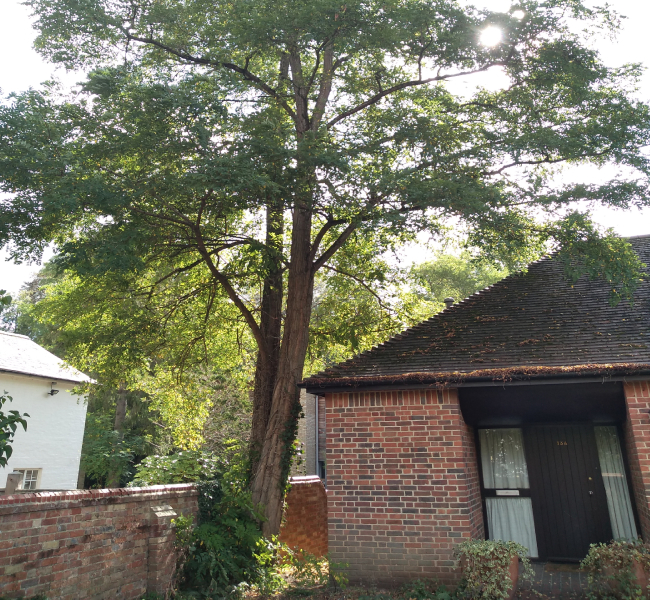
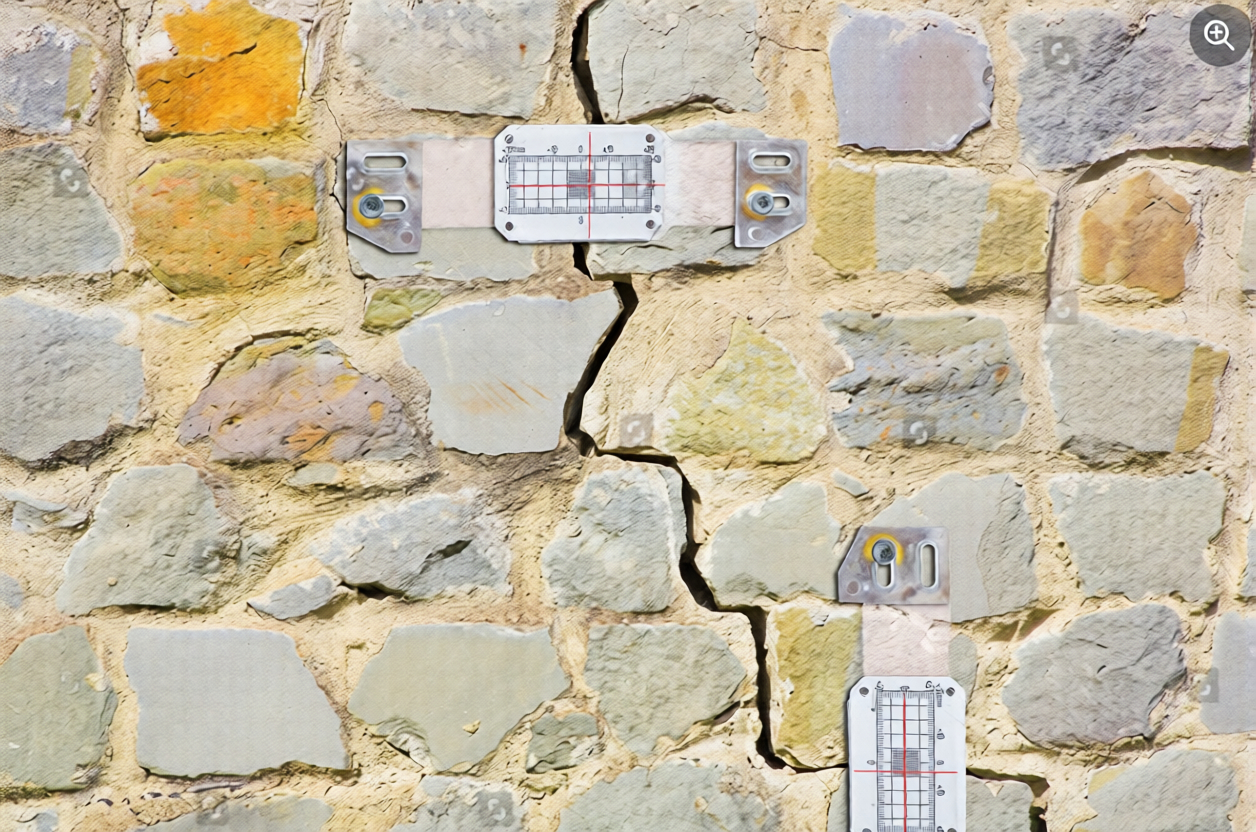
When buildings show signs of subsidence, trees are often suspected as a contributing factor. At Black Mountains Tree Consultancy, we carry out specialist tree subsidence surveys to assess whether nearby vegetation is influencing ground stability particularly in areas with shrinkable clay soils.
Our reports combine arboricultural expertise with clear, site-specific analysis, helping homeowners, insurers, engineers and local authorities manage risk, resolve claims, and make informed decisions.
-
0781 791 4405
What Our Subsidence Surveys Cover
- Tree species identification – Some species are more likely to influence soil moisture
- Size & root potential – Understanding the tree’s capacity to draw water
- Distance to structures – Measured root spread vs proximity to foundations
- Soil type assessment – Particular focus on shrinkable clays and moisture dynamics
- Tree condition & water demand – Health and physiological uptake
- Recommendations – Root barrier options, pruning, removal, or monitoring
-
0781 791 4405
Who Needs This Service?
- Homeowners seeing signs of cracks or movement
- Loss adjusters & insurers requiring expert guidance
- Structural engineers assessing building damage causes
- Local councils or planning officers handling tree-related complaints
- Surveyors & property professionals needing vegetation input in reports
Why Choose Black Mountains?
- Trusted by professionals and property owners
- Fully qualified tree consultants with site-specific knowledge
- Reports delivered in plain English, suitable for legal or insurance use
- Fast turnaround available where urgent assessment is needed
- Independent, impartial advice
Know What’s Really Causing the Cracks
If you’re unsure whether a tree is affecting your building’s stability, don’t guess get expert insight. Our surveys help clarify the role of vegetation and advise on balanced, evidence-led solutions.
-
0781 791 4405
FAQ – Tree Subsidence Surveys
What causes tree-related subsidence?
Which trees are most commonly associated with subsidence?
How close does a tree have to be to affect a property?
This depends on species, size, soil type, and structure depth — our surveys assess all of these.