Introduction
If you are preparing a planning application for a new home, extension, commercial development, or change of land use, you may be wondering whether a tree survey is required.
The answer depends on the presence of trees on or near the site and whether those trees could be affected by the proposed development. Local planning authorities often require a tree survey when trees may influence the design, construction, or future use of a site.
Understanding the requirements at an early stage can help prevent delays, reduce planning risks, and improve the chances of a smooth application process.
What Is a Tree Survey for a Planning Application?
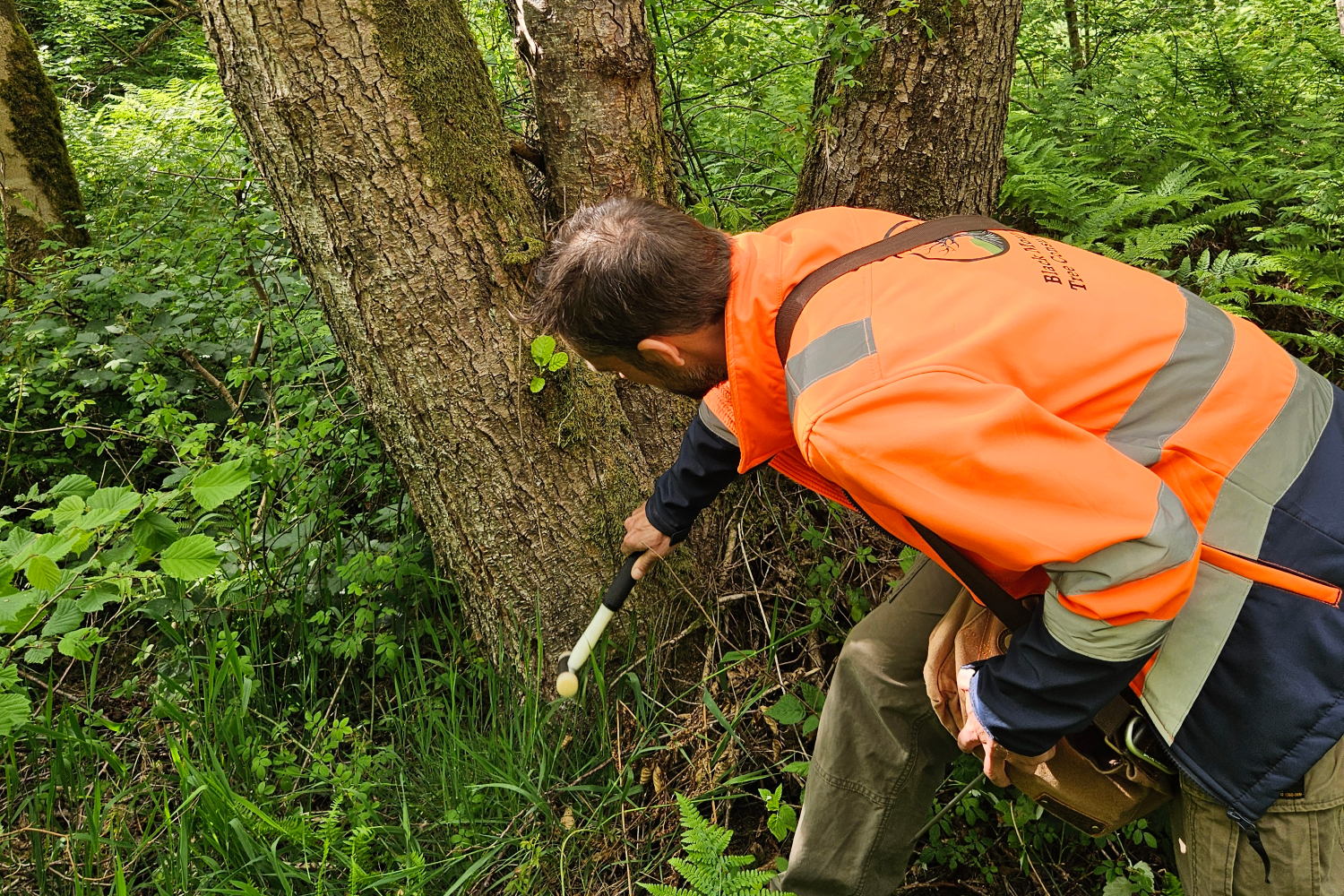
A planning tree survey is an arboricultural assessment that records and evaluates trees located on or adjacent to a development site.
In the UK, these surveys are commonly carried out in accordance with BS5837:2012 Trees in Relation to Design, Demolition and Construction. The purpose is to identify trees that should be retained, assess their condition and value, and understand how they may influence development proposals.
A typical survey records:
- Tree species
- Height and crown spread
- Stem diameter
- Age class
- Physiological and structural condition
- Estimated remaining life expectancy
- Root Protection Areas (RPAs)
- Arboricultural category grading
The findings are then used to inform site design and planning decisions.
When Is a Tree Survey Required?
A tree survey may be required when:
- Trees are located within or close to the development site
- Construction activities could affect tree roots or canopies
- Trees are protected by a Tree Preservation Order (TPO)
- The site falls within a Conservation Area
- The local planning authority requests arboricultural information
- New access routes, driveways, services, or foundations are proposed near trees
Even where trees are not directly within the site boundary, nearby trees can still influence development through root protection requirements and future growth considerations.
Why Planning Authorities Request Tree Surveys
Trees are recognised as important environmental assets that contribute to biodiversity, visual amenity, climate resilience, and local character.
Planning authorities need assurance that development proposals have properly considered existing trees and that any impacts have been assessed before permission is granted.
A professionally prepared survey helps planners understand:
- Which trees are suitable for retention
- Which trees may be removed if justified
- Potential conflicts between trees and development
- Long-term management considerations
- Proposed tree protection measures during construction
Providing this information early can reduce requests for additional information later in the planning process.
What Is a BS5837 Survey?
A BS5837 survey is the standard arboricultural survey used to support planning applications involving trees.
The survey forms the foundation for several planning documents, including:
Tree Constraints Plan
This plan identifies the location of trees and shows constraints such as canopy spreads and Root Protection Areas.
Arboricultural Impact Assessment
An assessment of how the proposed development may affect retained trees.
Arboricultural Method Statement
A document outlining how trees will be protected before, during, and after construction.
Depending on the project, planners may request one or all of these documents.
What Happens If You Do Not Submit a Required Tree Survey?
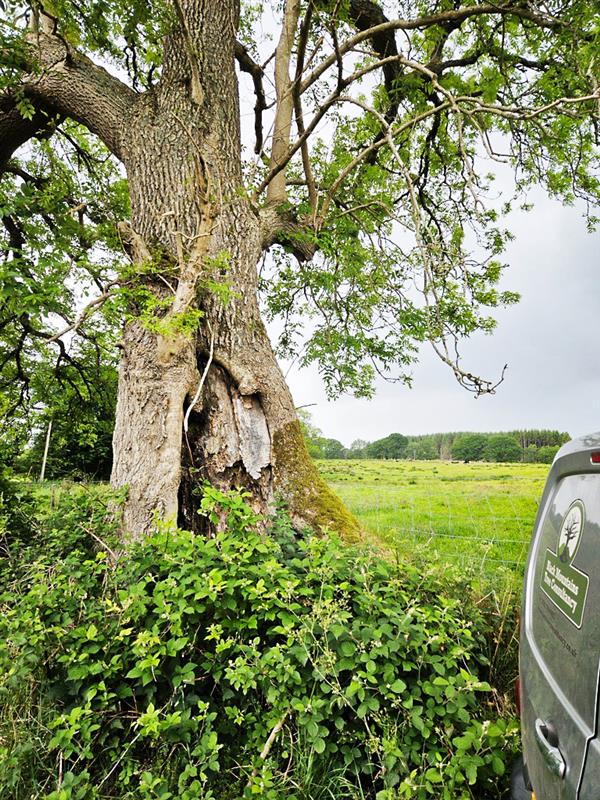
Failing to provide the necessary arboricultural information can result in:
- Delays to the planning process
- Requests for further information
- Additional costs
- Planning applications being declared invalid
- Potential refusal of planning permission
For this reason, it is often beneficial to establish tree-related requirements before finalising development designs.
What About Protected Trees?
If a tree is covered by a Tree Preservation Order or located within a Conservation Area, additional considerations apply.
Protected trees cannot normally be pruned, removed, or damaged without the appropriate permissions.
Early identification of protected trees allows designs to be adapted where necessary and helps avoid legal complications later in the process.
For guidance on protected trees, see our TPO Advice service.
Can Small Projects Require a Tree Survey?
While larger developments are more likely to require detailed arboricultural reports, smaller projects such as:
- House extensions
- Garden rooms
- Garages
- Driveways
- Boundary alterations
can also require tree surveys where nearby trees may be affected.
Many homeowners are surprised to discover that a mature tree located several metres away can still influence foundation design and construction methods.
When Should You Arrange a Tree Survey?
The best time is during the early design stage, before planning drawings are finalised.
Early arboricultural input allows architects, developers, and homeowners to design around important trees rather than making costly changes later.
A survey carried out at the beginning of a project can often save time and reduce planning complications.
When to Seek Professional Advice
If you are unsure whether your project requires a tree survey, obtaining professional advice before submitting a planning application can be valuable.
An experienced arboricultural consultant can assess the site, identify potential planning requirements, and help ensure the correct reports are prepared.
At Black Mountains Tree Consultancy, Johann Wilsker provides independent arboricultural advice backed by more than 20 years of industry experience. We support homeowners, architects, developers, landowners, and organisations across Wales, the West Midlands, South West England, and wider UK projects where appropriate.
Whether you are planning a house extension, residential development, commercial project, or land-use change, trees can have a significant impact on the planning process.
A professionally prepared tree survey helps identify constraints, supports informed design decisions, and provides planning authorities with the information they need to assess proposals effectively.
If you need a Planning Survey, Planning Support, or independent arboricultural advice for a development project, get in touch with Black Mountains Tree Consultancy for practical guidance tailored to your site.
Frequently Asked Questions
Do all planning applications require a tree survey?
No. Tree surveys are generally only required where trees on or near the site could be affected by the proposed development or where the planning authority requests arboricultural information.
What is a BS5837 tree survey?
A BS5837 survey is a tree survey carried out in accordance with BS5837:2012, the British Standard used to assess trees in relation to development and construction projects.
How long does a planning tree survey take?
The site survey itself is often completed within a day, depending on site size and tree numbers. Report preparation times vary according to project complexity.
Can I apply for planning permission without a tree survey?
You can submit an application, but if arboricultural information is required, the planning authority may request additional documents or delay validation until they are provided.
What if my site contains protected trees?
Protected trees require additional consideration. Development proposals must demonstrate how those trees will be protected and managed throughout the project.
Can a tree survey help avoid planning delays?
Yes. Identifying tree-related constraints early allows designs to be adjusted before submission and can reduce requests for further information during the planning process.