Tree Surveys Malvern
Tree Surveys & Inspections in Malvern
Black Mountains Tree Consultancy provides professional arboricultural surveys and consultancy services across Malvern and the wider Malvern Hills area. From mature trees surrounding Victorian properties to woodland, residential developments and commercial sites, we deliver clear, scientifically grounded tree assessments.
Based in Talgarth near Brecon, we regularly work across the Welsh Borders and Worcestershire, including Malvern, and understand the planning requirements, conservation considerations and unique landscape characteristics that influence tree management decisions in this distinctive area.
- Tree Safety Inspections
- BS5837 Planning Surveys
- In-depth Tree Assessments
- Tree Subsidence Surveys
Our advice is independent, objective and aligned with current British Standards and local authority guidance.
Arboricultural Consultancy in Malvern & the Malvern Hills
Malvern is renowned for its dramatic hillside setting, Victorian heritage and abundance of mature trees. The Malvern Hills National Landscape (formerly the Malvern Hills Area of Outstanding Natural Beauty) provides a distinctive backdrop, while established gardens, woodland and public open spaces contribute significantly to the area’s character and biodiversity.
Malvern Hills District Council may require BS5837-compliant tree surveys where development proposals affect existing trees. Tree Preservation Orders and conservation areas are common throughout Malvern, particularly around historic properties and mature residential neighbourhoods.
The area’s sloping topography, varied geology and exposure to strong winds can all influence tree health, stability and long-term management requirements.
- Homeowners managing mature garden trees
- Developers preparing planning applications
- Architects and planning consultants
- Estate managers and landowners
- Insurers and structural engineers
Our reports are clear, structured and tailored to local site conditions.
Our Key Tree Consultancy Services in Malvern
Tree Safety Inspections in Malvern
Trees located near roads, schools, public footpaths and residential properties require periodic safety assessment.
- Structural integrity and stability
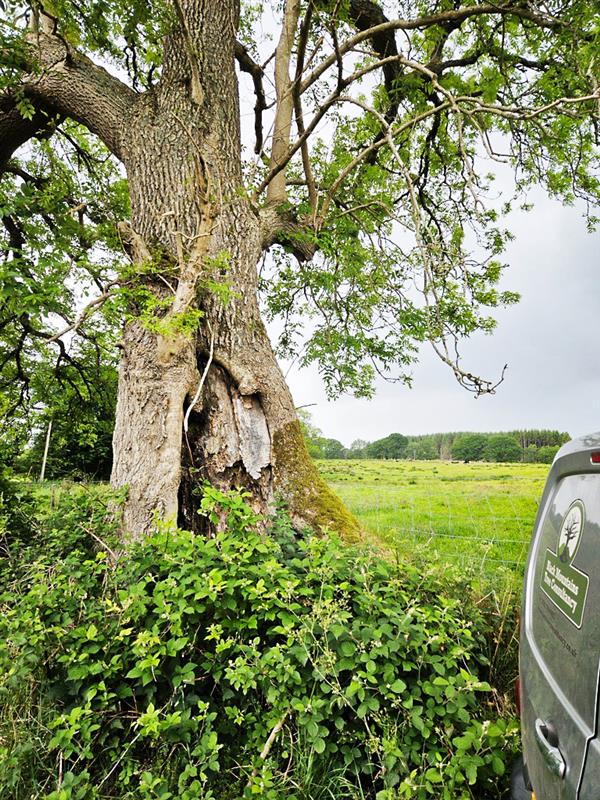
- Visible defects and decay
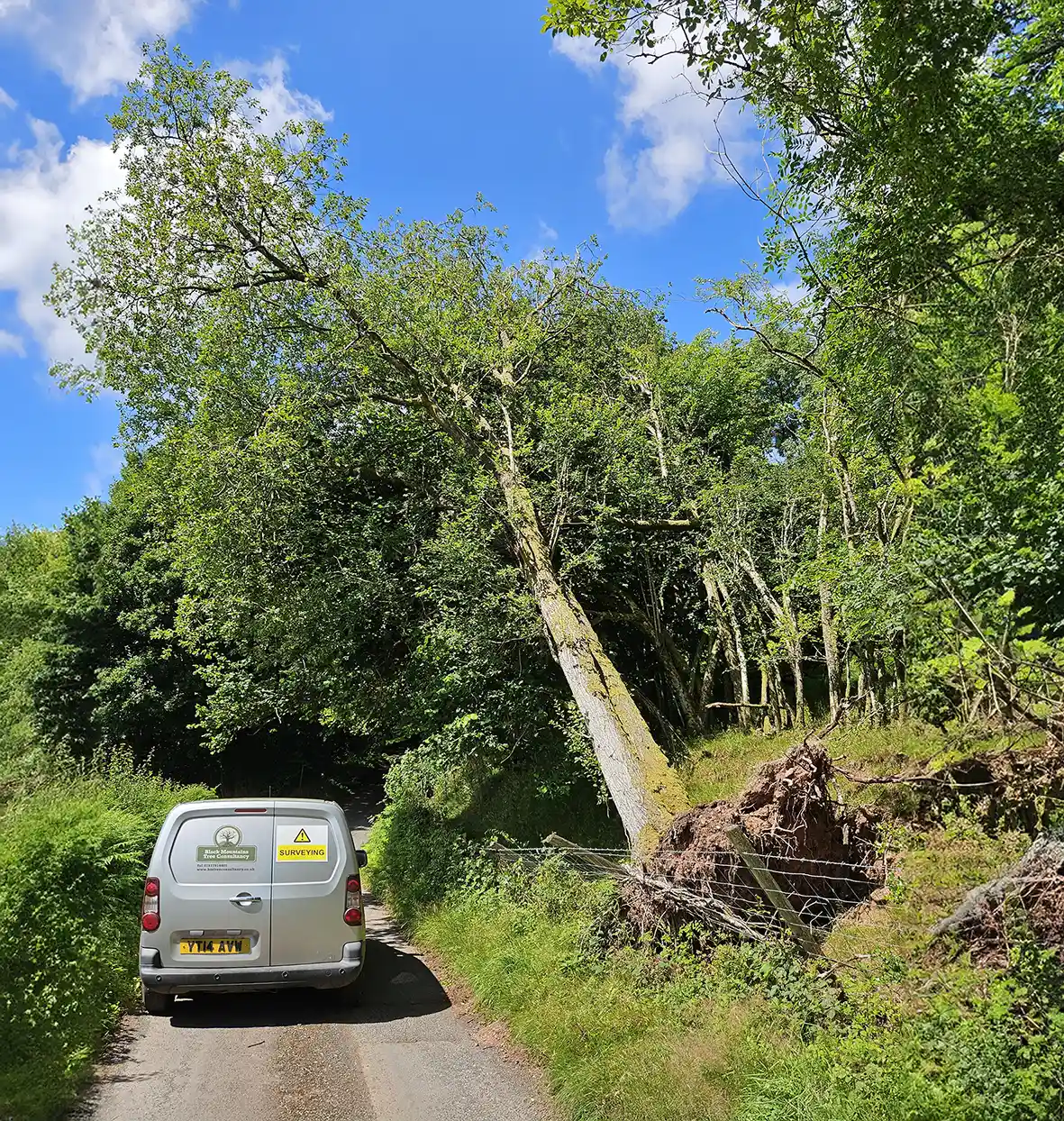
- Storm-related damage
- Risk in relation to occupancy levels
The elevated position of the Malvern Hills means trees can experience significant wind exposure throughout the year. Proactive inspections help identify structural concerns early while supporting long-term tree retention wherever appropriate.
BS5837 Planning Surveys in Malvern
If you are submitting a planning application in Malvern and trees are present on or near the site, a BS5837:2012 tree survey may be required.
- Tree categorisation and condition assessment
- Root Protection Area (RPA) calculations
- Arboricultural Impact Assessments
- Tree Protection Plans
- Arboricultural method statements
Early arboricultural involvement helps integrate trees into site design, reducing planning delays and supporting sustainable development.
In-depth Tree Assessments
Where a tree shows signs of structural weakness, suspected decay or decline, further investigation may be necessary.
- Detailed structural evaluation
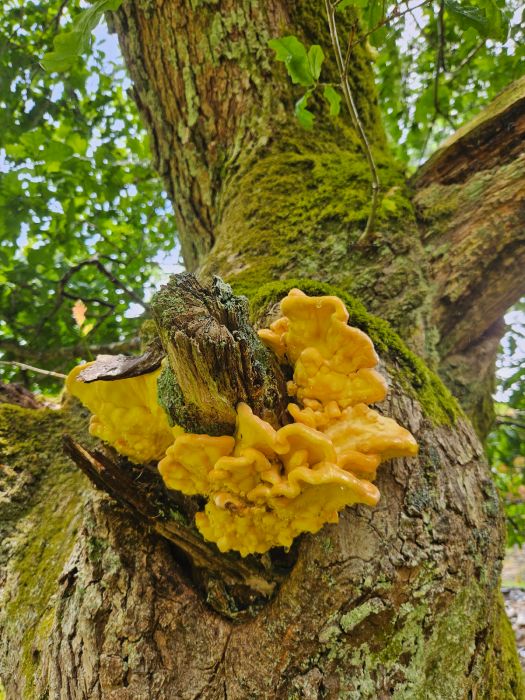
- Decay detection investigation
- Assessment of veteran or high-value trees
- Long-term management planning
This service is particularly valuable in conservation areas, historic landscapes and locations where mature tree retention is an important planning consideration.
Tree Subsidence Surveys in Malvern
Tree-related subsidence depends on species, soil type, foundation depth and site conditions. While the geology of the Malvern Hills varies considerably, some lower-lying areas contain clay-rich soils where seasonal moisture changes may contribute to ground movement.
- Species characteristics and water demand
- Distance between trees and structures
- Soil type and ground conditions
- Foundation information (where available)
- Evidence of structural movement
We provide clear, evidence-based conclusions to support homeowners, insurers and engineers in determining appropriate next steps.
Why Choose Black Mountains Tree Consultancy in Malvern?
- Qualified and experienced arboricultural consultancy
- Strong understanding of Worcestershire planning requirements
- Scientifically grounded and objective reporting
- Clear, jargon-free communication
- Independent advice focused on long-term stewardship
- Regional knowledge across Worcestershire, the Welsh Borders and the Malvern Hills
We combine technical expertise with practical recommendations tailored to the unique landscape, heritage and environmental considerations of the Malvern area.

Request a Tree Survey in Malvern
If you require a Tree Safety Inspection, BS5837 Planning Survey, In-depth Tree Assessment or Tree Subsidence Survey in Malvern, we are ready to assist.
Contact Black Mountains Tree Consultancy to discuss your project or arrange a survey.
-
0781 791 4405
Frequently Asked Questions – Tree Surveys in Malvern
Do I need a tree survey for planning permission in Malvern?
In many cases, yes. Malvern Hills District Council may require a BS5837 tree survey where trees are present on or adjacent to a proposed development site. The survey assesses tree quality, calculates Root Protection Areas and evaluates how construction activities may affect existing trees. Providing a compliant arboricultural report helps ensure trees are properly considered within the planning process and can reduce delays during application determination.
Are trees in Malvern protected?
Many trees throughout Malvern are protected by Tree Preservation Orders or conservation area legislation, particularly around the town centre, Victorian neighbourhoods and the Malvern Hills. Before carrying out pruning or removal works, it is important to establish whether statutory protection applies and obtain any necessary permissions from the local planning authority. We can advise on protected trees and assist with the application process where required.
How often should mature trees be inspected?
Inspection frequency depends on the tree’s condition, location and surrounding land use. Trees near highways, public spaces, schools and neighbouring properties generally require more frequent monitoring. In elevated locations around the Malvern Hills, additional inspections following severe storms or periods of high wind may also be advisable. Regular Tree Safety Inspections help identify structural defects before they become significant risks.
What is included in a BS5837 survey?
A BS5837 survey includes tree categorisation, condition assessment and Root Protection Area calculations. It identifies how existing trees may influence development proposals and outlines the protective measures needed during construction. The survey often forms an essential part of the planning process and helps developers, architects and local authorities achieve a balance between development and tree retention.
Can trees cause subsidence in Malvern?
Tree-related subsidence depends on a combination of factors, including tree species, soil type, foundation depth and local site conditions. While some parts of the Malvern area have clay-rich soils that can shrink during prolonged dry periods, many sites sit on different geological formations where trees are less likely to be a contributing factor. A Tree Subsidence Survey provides a detailed, evidence-based assessment to determine whether trees are influencing structural movement and recommends appropriate next steps where necessary.