Tree Surveys Swansea
Tree Surveys & Inspections in Swansea
- Tree Safety Inspections
- BS5837 Planning Surveys
- In-depth Tree Assessments
- Tree Subsidence Surveys
Our advice is independent, objective and aligned with current British Standards and local authority guidance.
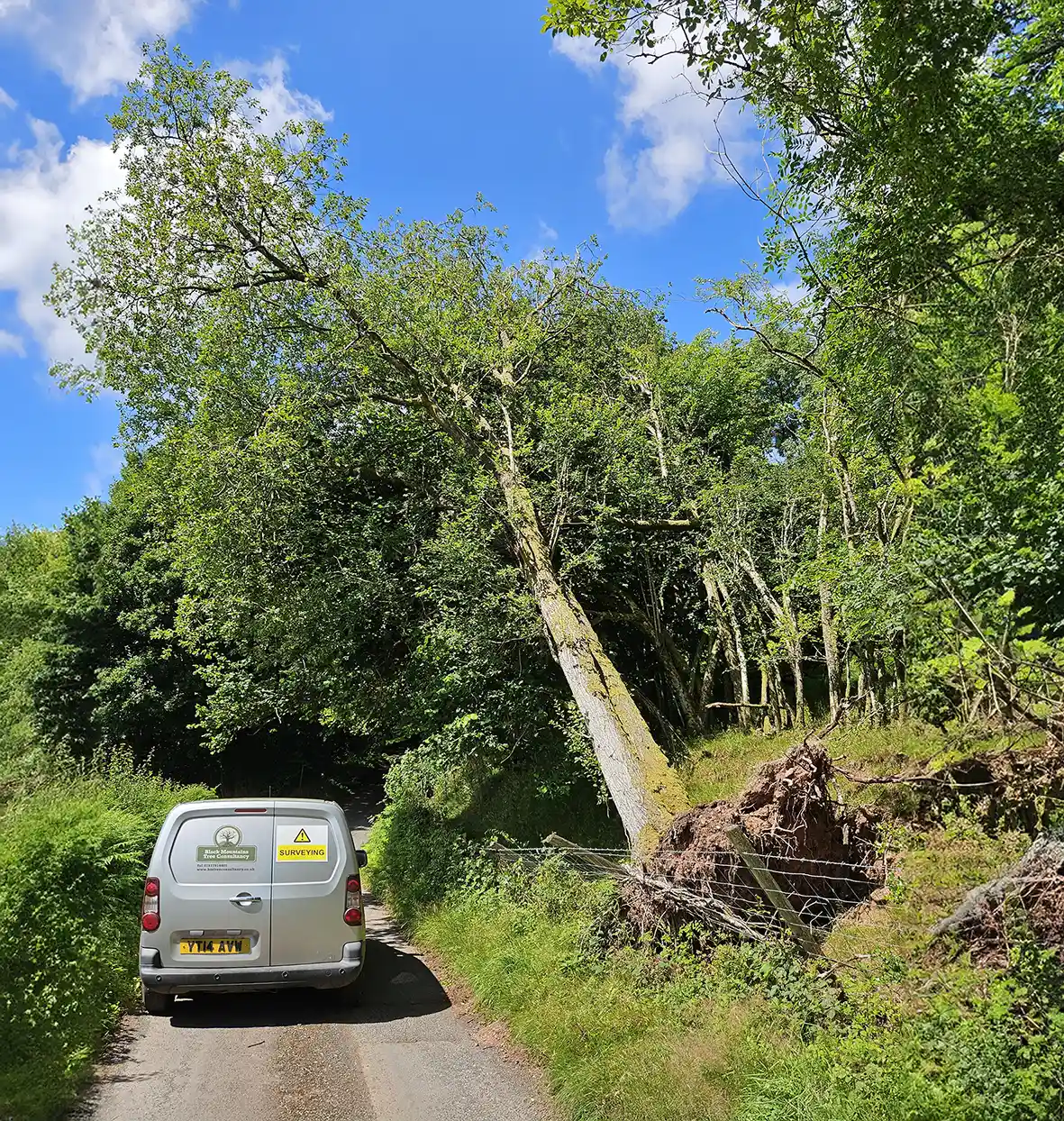
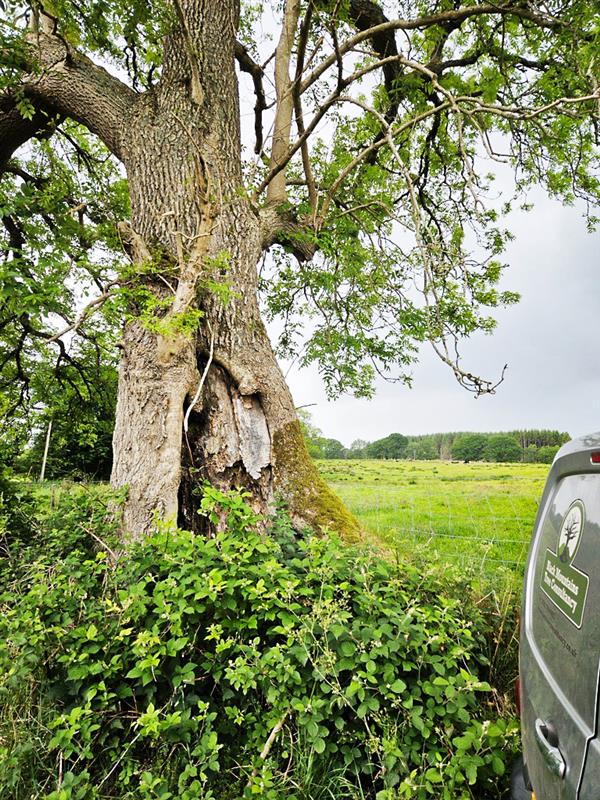
Arboricultural Consultancy in Swansea & the Gower
Swansea’s landscape is diverse — combining dense urban development, coastal exposure, parkland and rural surroundings extending into the Gower Peninsula. Mature trees play an important role in local character, biodiversity and amenity value.
Swansea Council frequently requires BS5837-compliant tree surveys where development proposals may affect existing trees. Conservation areas and Tree Preservation Orders are common across established residential districts.
Coastal exposure, strong prevailing winds and salt-laden air can also influence tree condition and long-term stability, making proactive assessment particularly important in certain areas.
- Homeowners concerned about tree condition or safety
- Developers preparing planning submissions
- Architects and planning consultants
- Landowners and estate managers
- Insurers and structural engineers
Our reports are clear, structured and tailored to site-specific conditions.
Our Key Tree Consultancy Services in Swansea
Tree Safety Inspections in Swansea
- Structural integrity and stability
- Signs of decay or structural defects
- Storm-related damage
- Risk in relation to occupancy levels
Swansea’s coastal climate can increase wind loading and stress on trees, particularly during seasonal storms. Proactive monitoring helps manage risk responsibly while supporting long-term retention.
BS5837 Planning Surveys in Swansea
- Tree categorisation and condition assessment
- Root Protection Area (RPA) calculations
- Arboricultural Impact Assessments
- Tree Protection Plans
- Arboricultural method statements
Early arboricultural involvement ensures trees are properly integrated into site layout and construction planning, reducing the risk of delays or redesign.
In-depth Tree Assessments
- Detailed structural evaluation
- Decay detection investigations
- Assessment of high-value or veteran trees
- Long-term management planning
This service is particularly valuable for prominent coastal trees or mature specimens within conservation areas.
Tree Subsidence Surveys in Swansea
- Tree species and water demand
- Distance between trees and structures
- Soil type and ground conditions
- Foundation information (where available)
- Evidence of structural movement
We provide clear, evidence-based conclusions to support homeowners, insurers and engineers.
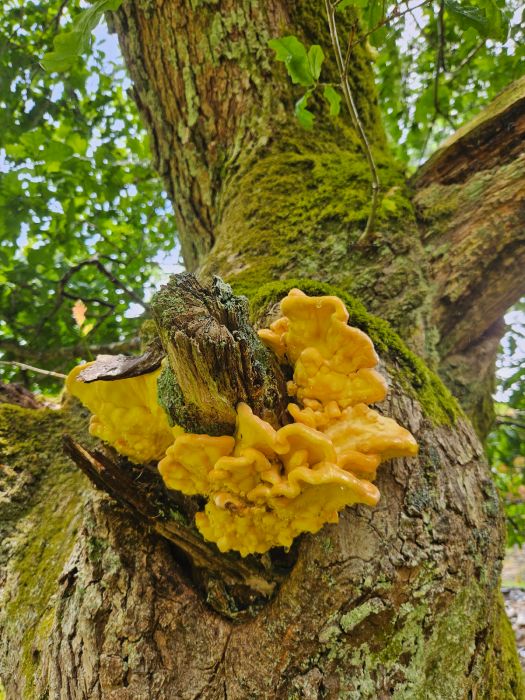
Why Choose Black Mountains Tree Consultancy in Swansea?
- Qualified and experienced arboricultural consultancy
- Strong understanding of Swansea planning requirements
- Scientifically grounded, objective reporting
- Clear, jargon-free communication
- Independent advice focused on long-term stewardship
- Regional knowledge across South Wales
We combine technical precision with practical recommendations tailored to each site.
Request a Tree Survey in Swansea
If you require a Tree Safety Inspection, BS5837 Planning Survey, In-depth Tree Assessment or Tree Subsidence Survey in Swansea, we are ready to assist.
Contact Black Mountains Tree Consultancy to discuss your site or arrange a survey.
-
0781 791 4405